


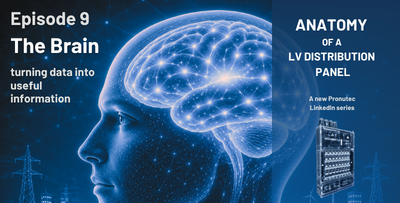
The brain of the electrical distribution board: turning data into useful information
In the previous chapter of Anatomy of an Electrical Distribution Board, we talked about the senses. The integration of sensors allows low-voltage distribution boards to know what is happening in the network by measuring currents, voltages, temperatures, power and other electrical variables.
But measuring is not the same as understanding.
In the human body, our senses continuously capture stimuli, but it is the brain that processes and interprets them. Something similar happens in an electrical network: sensors generate data, but processing electronics and algorithms are what transform that data into useful information.
More sensors mean more data… and a new challenge
The digitalisation and monitoring of low-voltage electrical networks dramatically increases the amount of information available. Consider a distribution board with several outgoing feeders, each continuously measuring currents, voltages, power, temperatures and other parameters. If we extend this sensing capability to hundreds or thousands of distribution boards, the amount of data generated can be enormous.
And this creates a new challenge: it is simply not practical for an operator to analyse all that raw information. The goal, therefore, is no longer simply to obtain more data. It needs to be processed, correlated and transformed into information that is understandable and useful for network management.
An operator does not need to continuously monitor thousands of values. What they need to know, for example, is whether a feeder is operating outside its normal conditions, whether there is a phase imbalance or whether a temperature is abnormal for the current load level.
This is where processing, and algorithms in particular, make it possible to transform data into valuable information.
From data to information
An individual measurement might tell us: Temperature: 72 °C . But that value alone does not necessarily tell us whether there is a problem.
The system can correlate it with the current flowing through the circuit, other electrical variables, historical values or predefined criteria and turn it into: “Abnormal temperature for the current load level.”
And, if certain conditions are met: ALARM → operator attention required.
The original data has not changed. What has changed is the value of the information received by the user.
This capability makes it possible to detect anomalies, record events and trends, generate alarms and move towards condition-based diagnostics and maintenance strategies. Signal processing can also support local algorithms for diagnostics, protection or switching operations, enabling the early detection of deviations and degradation.
Edge computing: where should the brain be?
As the amount of available information increases, another question arises: where should we process it?
One option is to send the data to higher-level platforms, where it can be stored, combined with information from other points in the network and used for broader analysis. These platforms are essential when we need a complete view of the system, historical data, comparisons between installations or advanced management and analytics tools.
But not all data necessarily needs to travel that far before being processed.
Within the Zillion ecosystem, we also embrace edge computing for low-voltage electrical networks: providing processing capability close to where the data is generated and performing locally those functions that make sense to handle at that level.
This makes it possible to filter, aggregate and interpret information in the field, while communicating to higher levels what provides value at each layer: relevant data, alarms, events, trends or already processed indicators.
It is therefore not a question of choosing between edge computing and central platforms, but of distributing intelligence efficiently across the different levels of the architecture.
The edge provides proximity and immediacy; higher-level platforms provide a global view, storage capacity and combined analysis.
In addition, certain local functions can continue to operate even during a temporary loss of communication with higher-level systems. This functional autonomy through local processing is part of the intelligent protection architectures being developed for new low-voltage networks.
Electronics designed for electrical networks
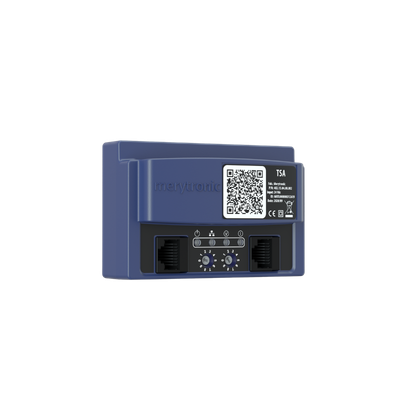
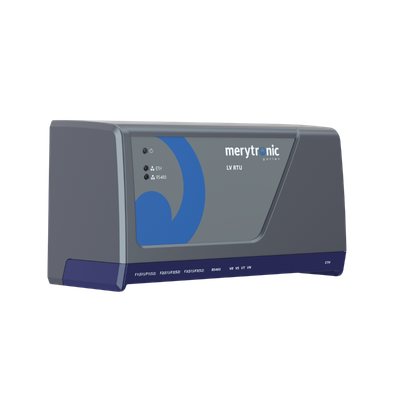
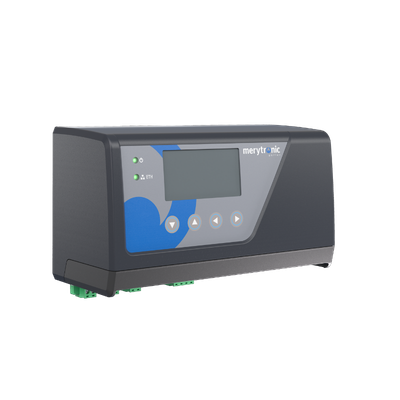
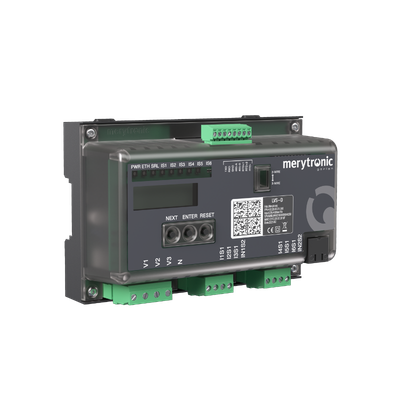
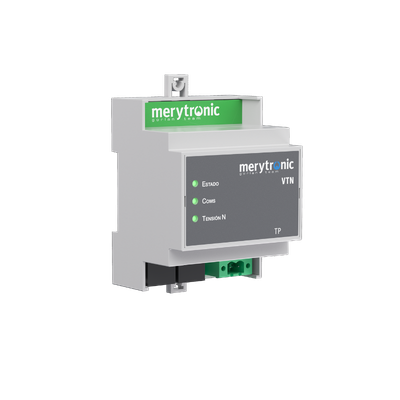
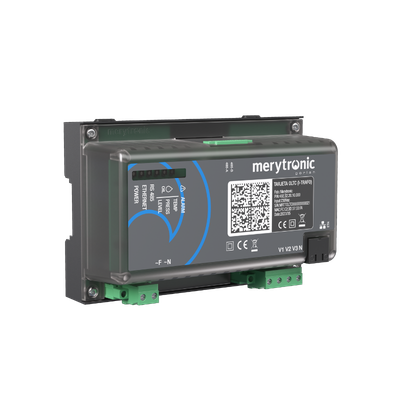
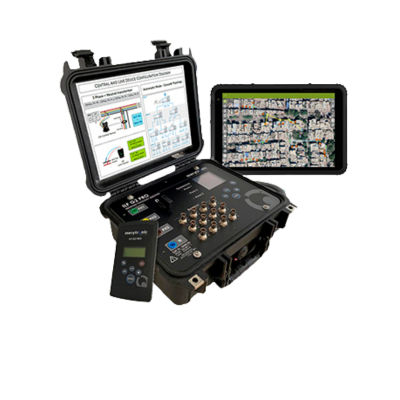
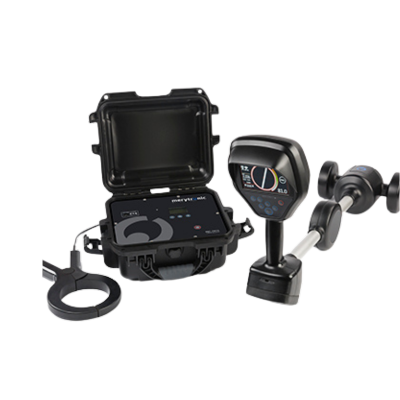
Within the Zillion ecosystem, an essential part of this processing is carried out by electronic equipment developed by Merytronic, such as the electronic boards associated with individual feeders and the RTUs responsible for acquiring, processing and communicating information from field devices.
But there is an important difference: we are not talking about conventional electronics installed in a conventional environment. These devices must operate inside electrical distribution boards, close to conductors, busbars and power devices, in an environment exposed to the electrical conditions found in distribution networks. Their electronics, interfaces and integration must therefore be designed from the outset with factors such as insulation, electromagnetic disturbances and the actual operating conditions of the distribution board in mind.
This is where joint development within Zillion becomes particularly valuable. Pronutec contributes its expertise in protection, distribution, switchgear and integration into low-voltage distribution boards. Merytronic contributes its expertise in electronics, measurement, communications and information processing.
Combining these areas of expertise makes it possible to develop solutions in which the electrical and electronic components are designed to work together, with the robustness and reliability required for use in electrical networks.
Pronutec solutions: intelligence integrated into the product and the distribution board
At Pronutec, intelligence is being incorporated into low-voltage distribution at different levels, from the protection device itself to the complete intelligent electrical distribution board.
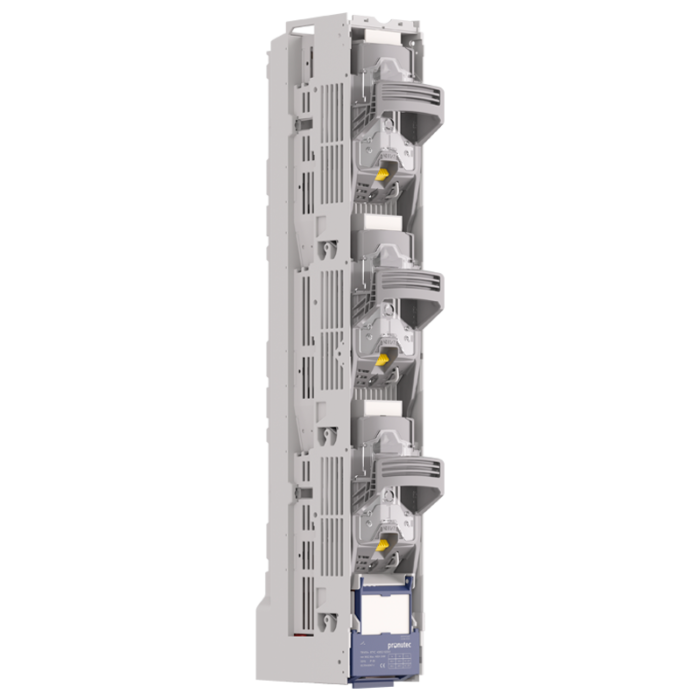
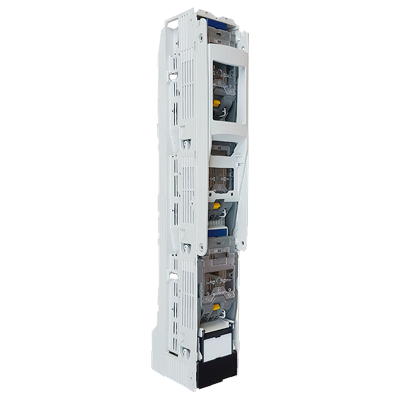
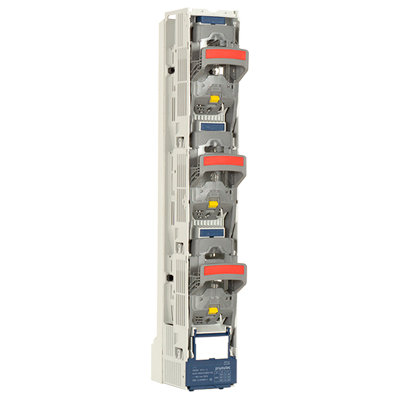
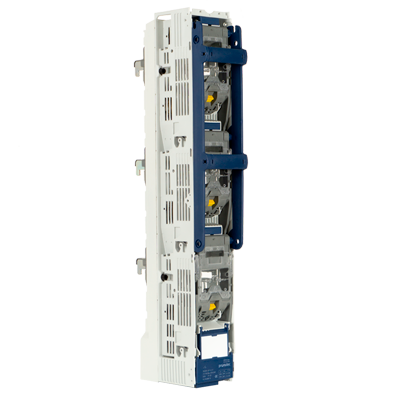
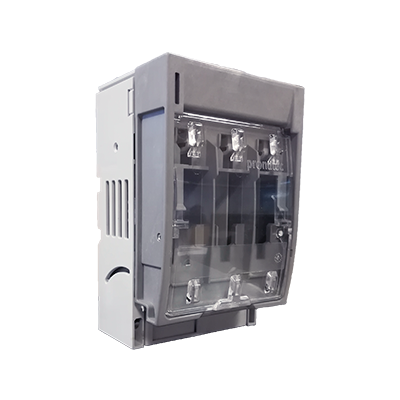
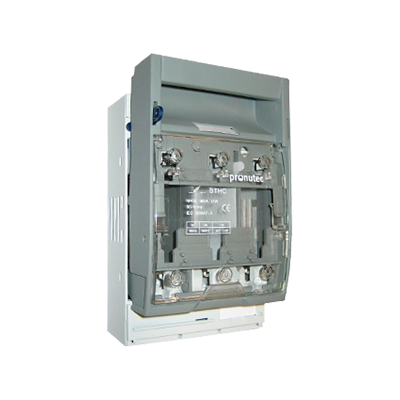
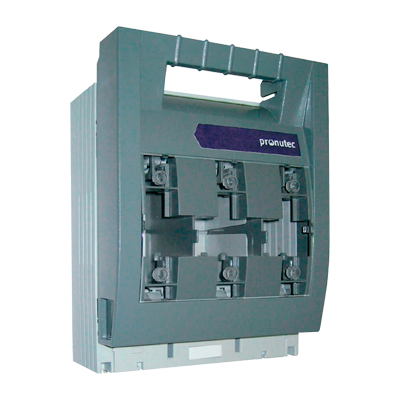
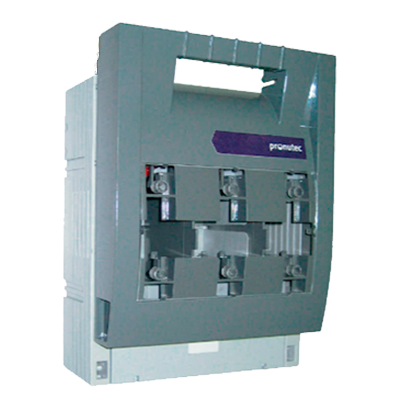
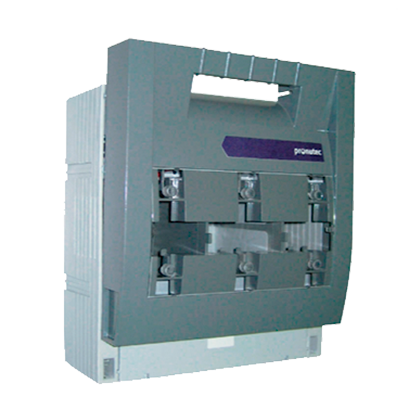
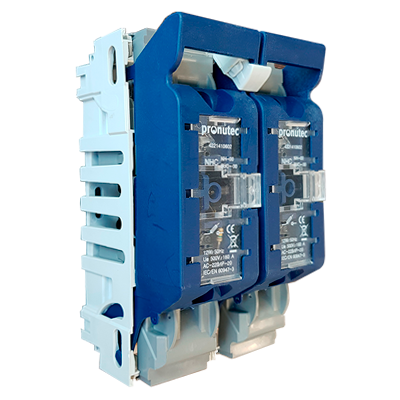
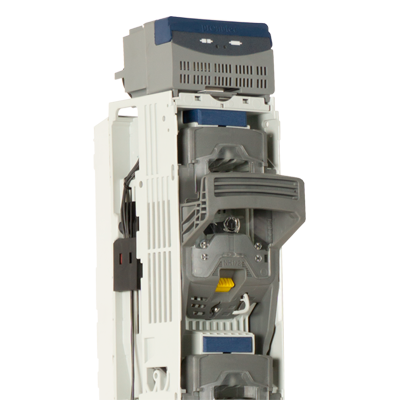
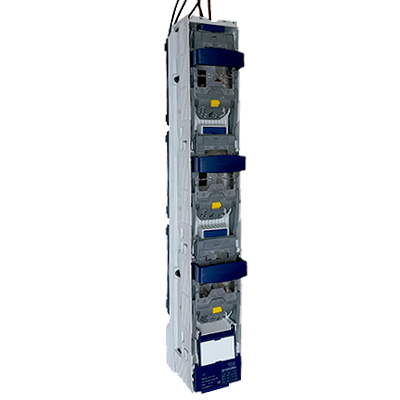
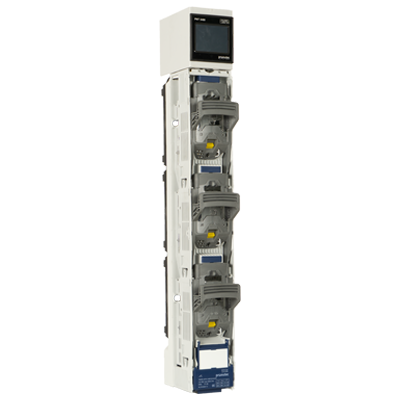
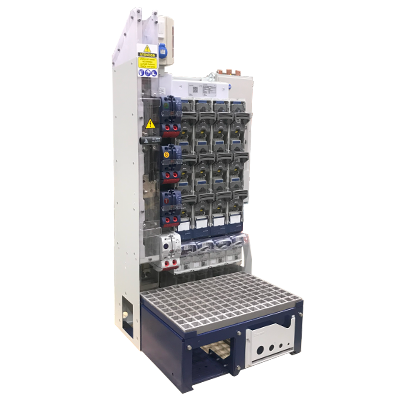
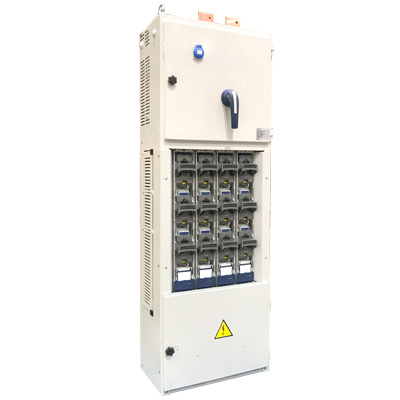
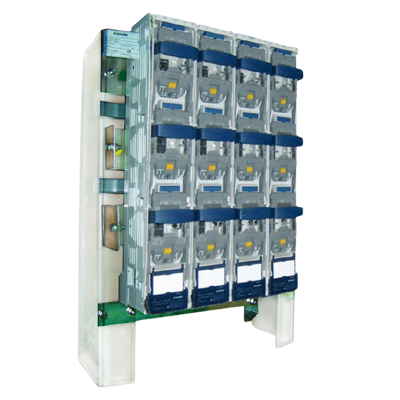
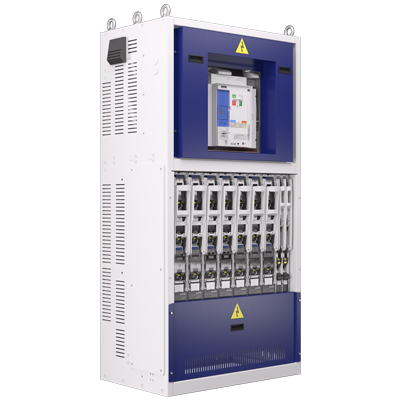
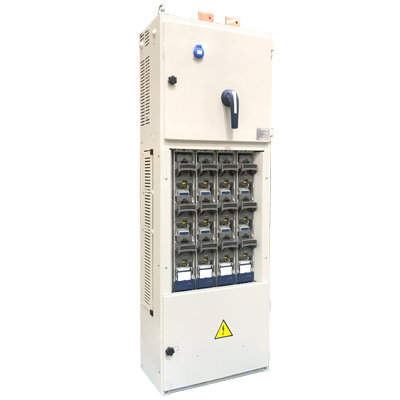
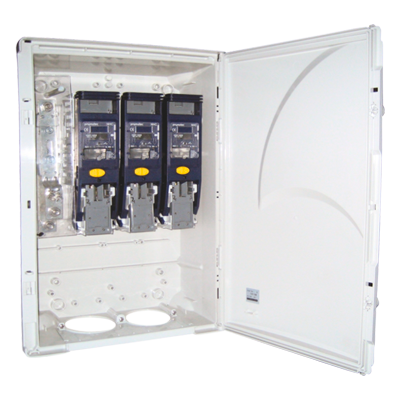
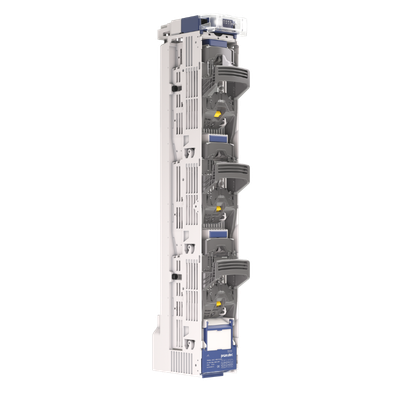
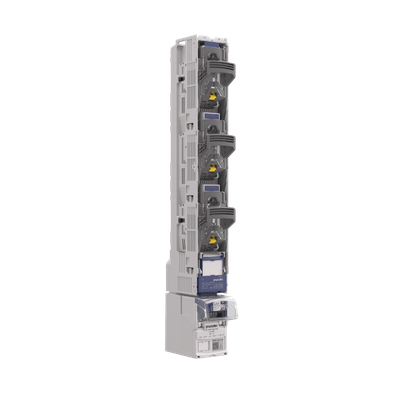
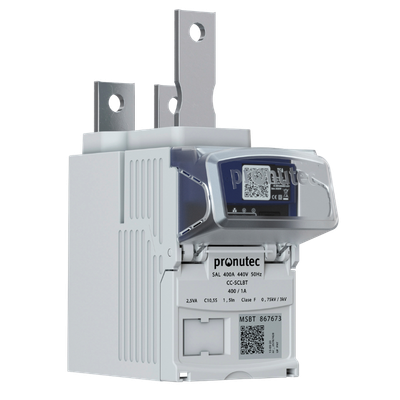
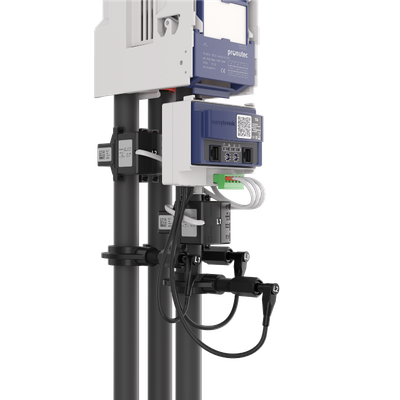
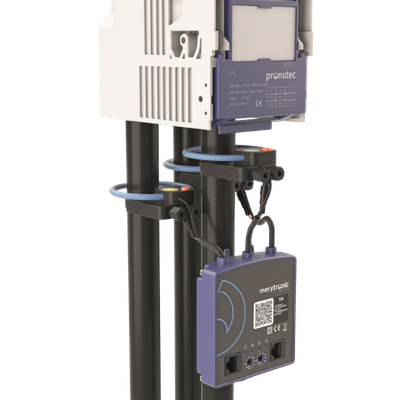
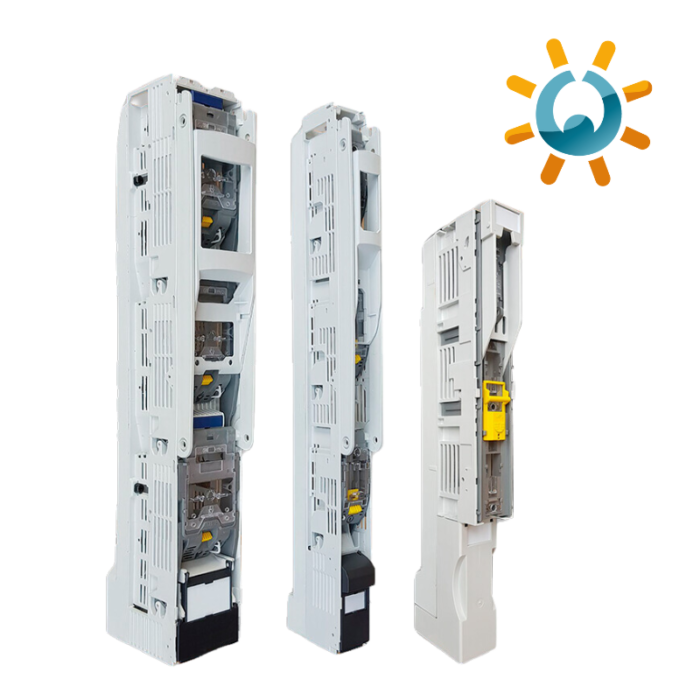
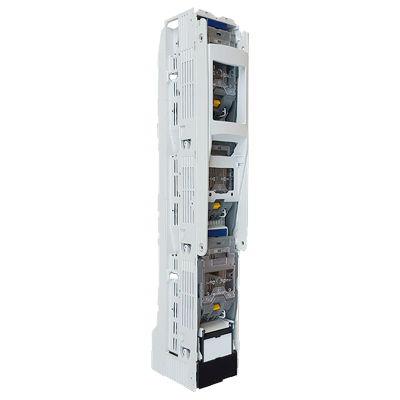
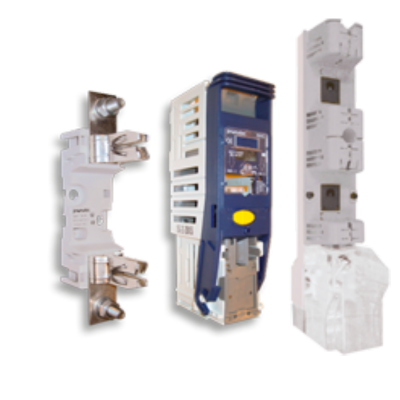
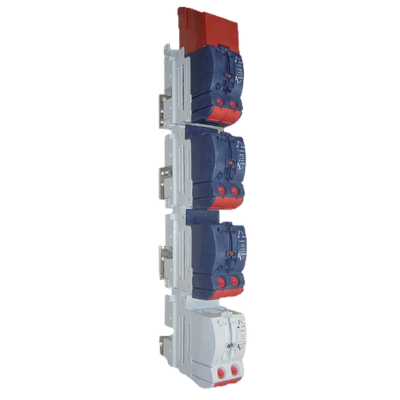
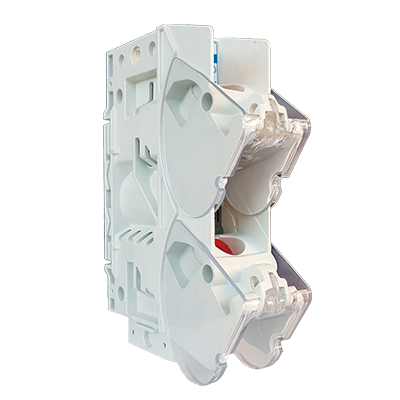
At product level, our range of Smart Fuse Switches integrates sensing and electronics directly into the fuse switches, turning a traditional protection and isolation device into a new source of information about the condition and operation of the network.
But digitalisation does not necessarily mean replacing existing equipment. Retrofit solutions for fuse switches and electrical distribution boards make it possible to add intelligence to already installed products by incorporating measurement, monitoring and new functionalities. In this way, existing assets can be upgraded and given renewed value, extending their useful life through a more sustainable and resource-efficient solution.
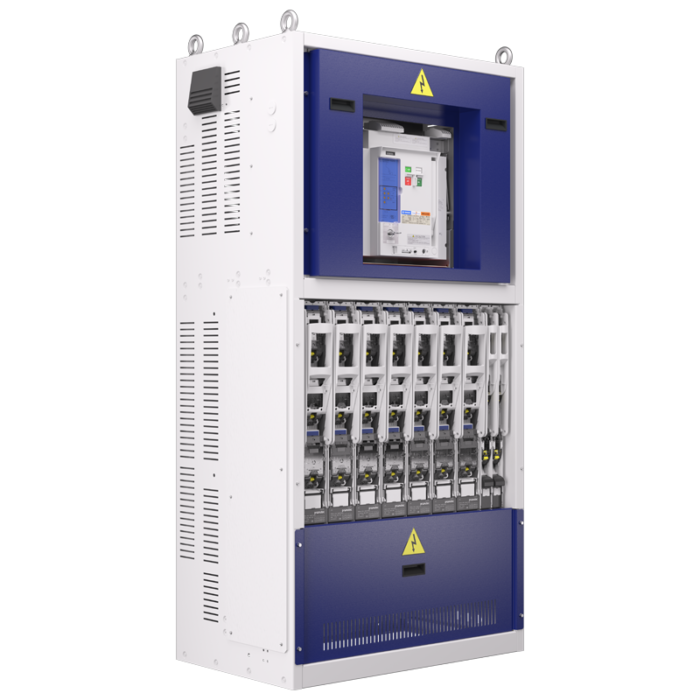
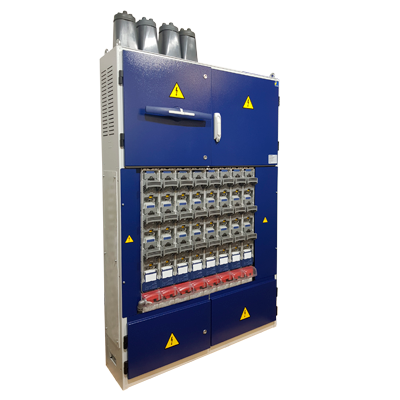
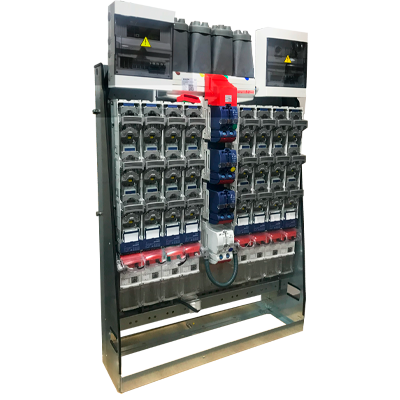
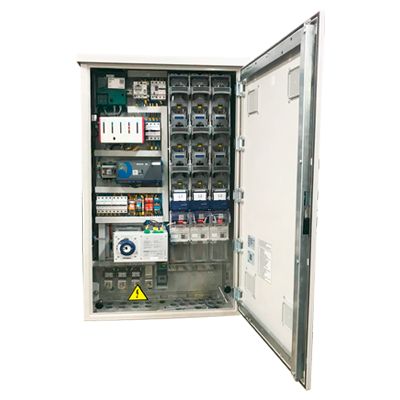
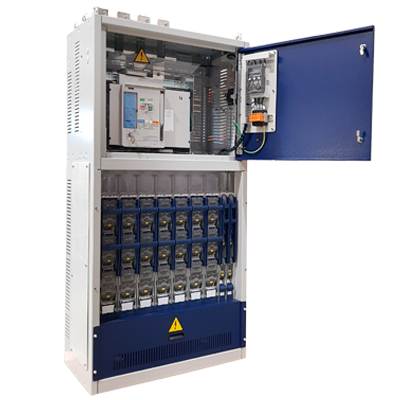
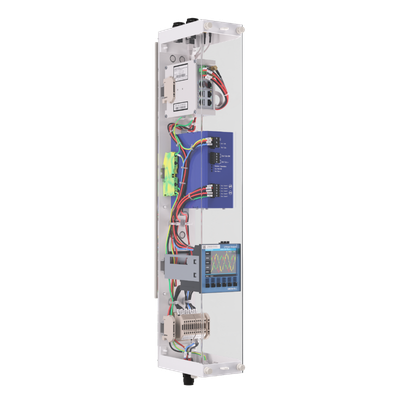
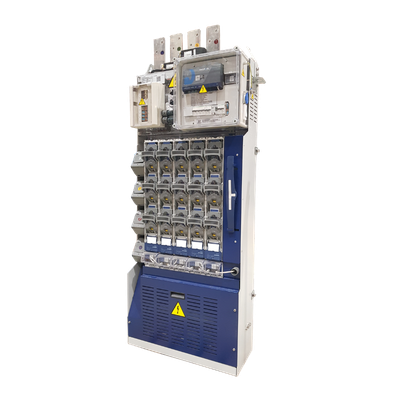
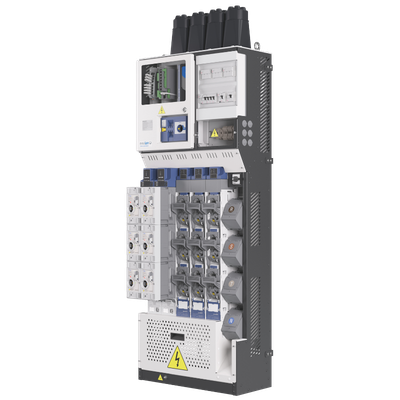
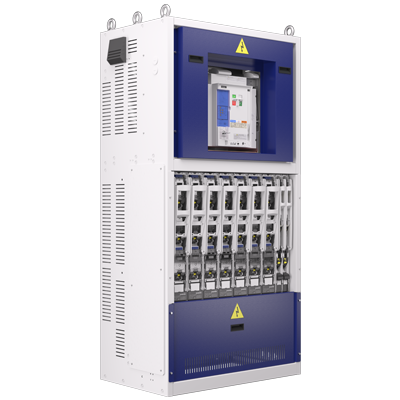
At distribution-board level, these technologies make it possible to develop intelligent electrical distribution boards for low-voltage networks, integrating different elements of the ecosystem: Smart Fuse Switches, RTUs, multimeters and communication systems, together with the equipment required to connect them to higher-level management and remote-management systems, such as routers, antennas or data concentrators.
The collaboration between Pronutec and Merytronic within the Zillion ecosystem makes it possible to address all these different levels together: from signal acquisition at the measurement point to edge processing, communications and integration with higher-level supervision and management systems.
In this way, intelligence is not added to the distribution board as an isolated element. It is integrated from the product level and progressively extended throughout the complete solution.
From measuring to understanding
The evolution can be summarised simply:
SENSORS → DATA → PROCESSING → ALGORITHMS → USEFUL INFORMATION
Sensors are the senses of the electrical distribution board.
Electronics and algorithms form its brain: they process the large amount of information available, identify what is relevant and transform network data into useful information for operators and management systems.
Because, just as in the human body, ……. sensing alone is not enough: we need a brain capable of interpreting signals and helping us understand what is happening.
In the next and final chapter of Anatomy of an Electrical Distribution Board, we will complete the journey: from sensing and understanding to acting, through automation and remote control.
Esther Plasencia
Head of H&D at Pronutec
Related News
The brain of the electrical distribution board: turning data into useful information
In the previous chapter of Anatomy of an Electrical Distribution Board, we talked about the...

Pronutec at EnerGaïa Forum 2026
We will be exhibiting at EnerGaïa 2026, showcasing our wide range of solutions for photovoltaic...

1000 V AC: The Next Evolution of Utility-Scale Solar PV Plants
Pronutec: Ready for the Next Generation of 1000 V AC Solar PV Plants At Pronutec,...


 Gorlan


Pronutec, a  company
