


1000 V AC: The Next Evolution of Utility-Scale Solar PV Plants
Pronutec: Ready for the Next Generation of 1000 V AC Solar PV Plants
At Pronutec, we have been developing low-voltage solutions for photovoltaic installations for years, continuously adapting to the technological evolution of the sector.
Now, the industry is beginning to take another step forward. The introduction of the first 1000 V AC inverters for utility-scale solar PV plants marks the beginning of a new evolution in the design of their electrical infrastructure.
Our commitment is to continue developing solutions that meet emerging requirements: safe, efficient and scalable solutions that keep pace with market developments and contribute to building more reliable and sustainable energy infrastructure.
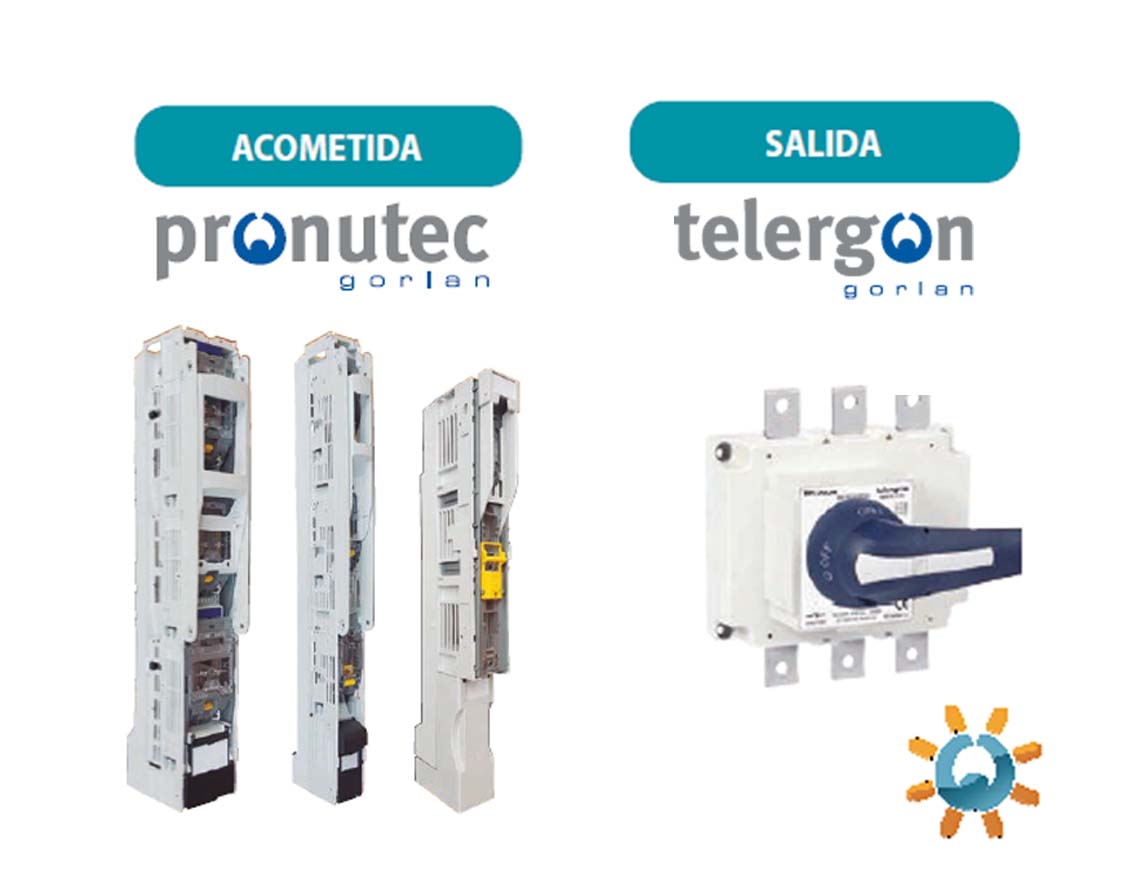
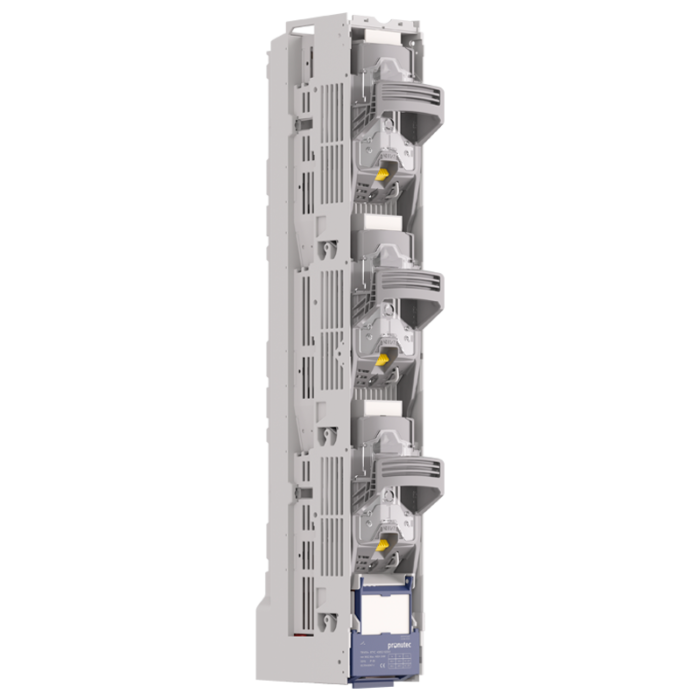
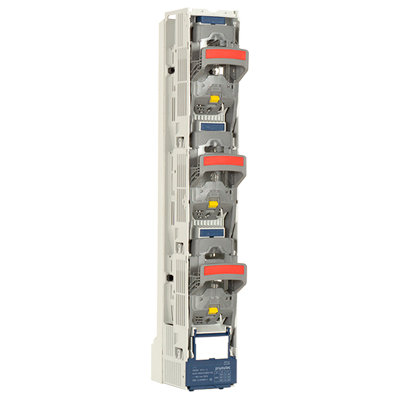
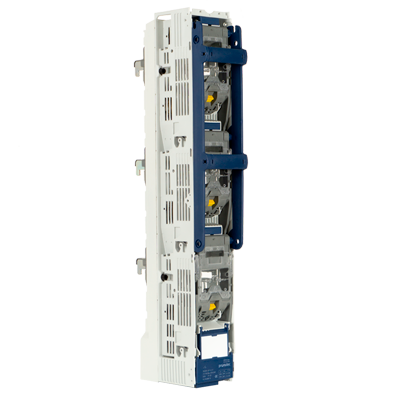
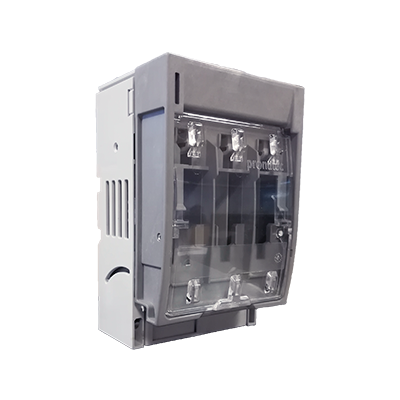
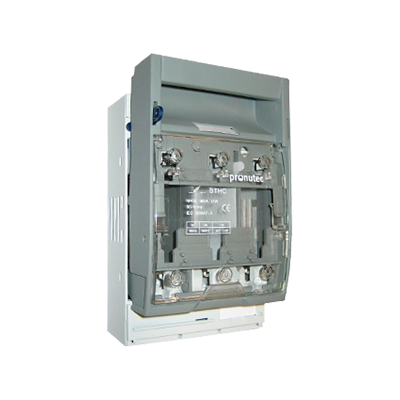
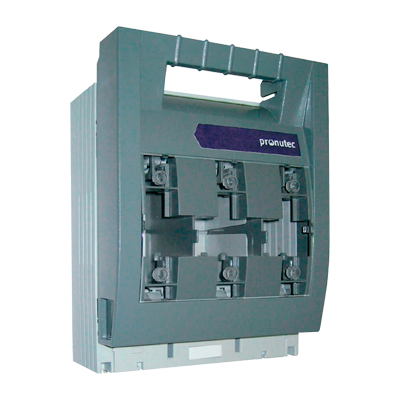
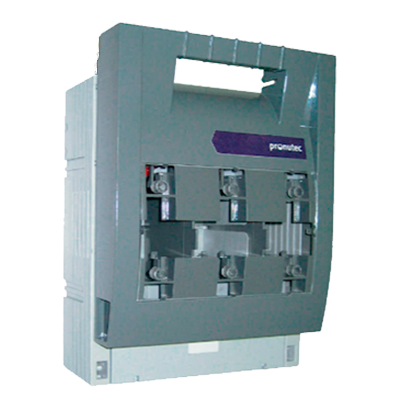
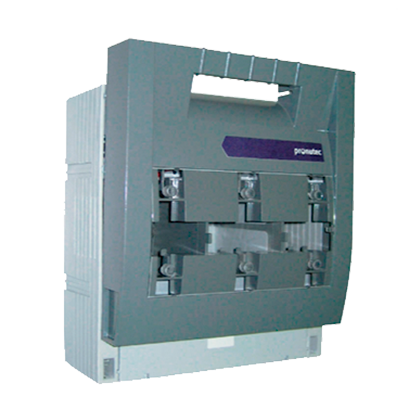
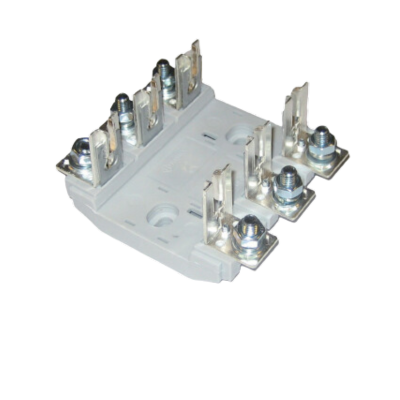
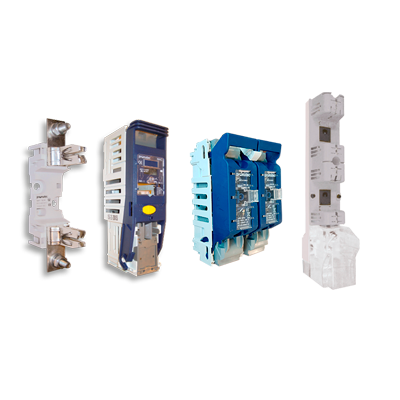
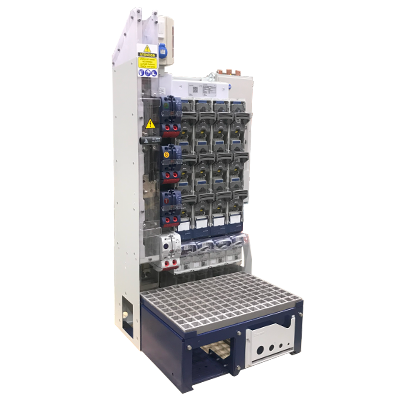
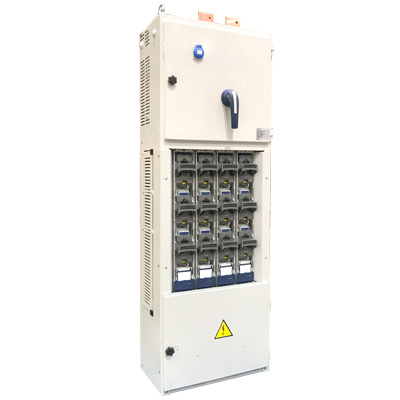
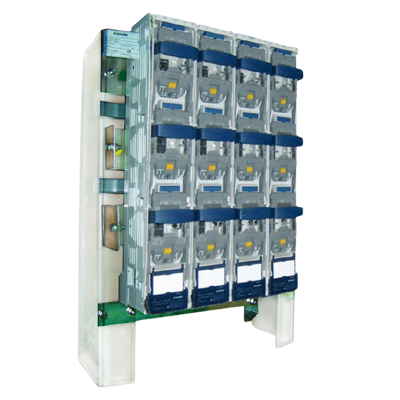
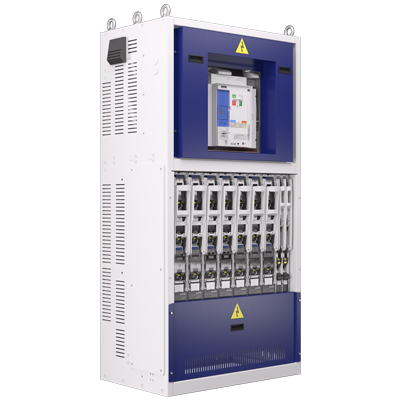
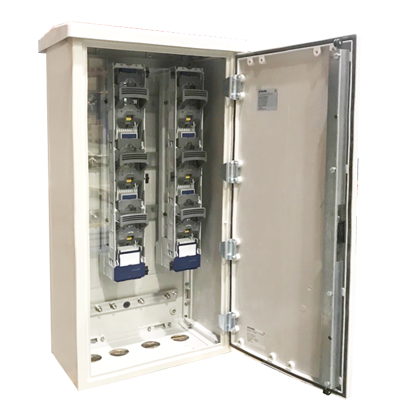
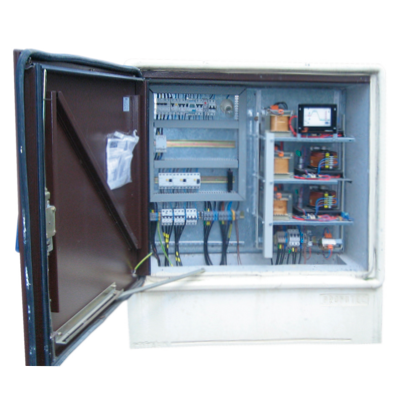
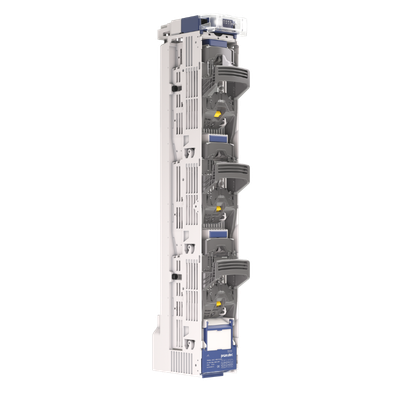
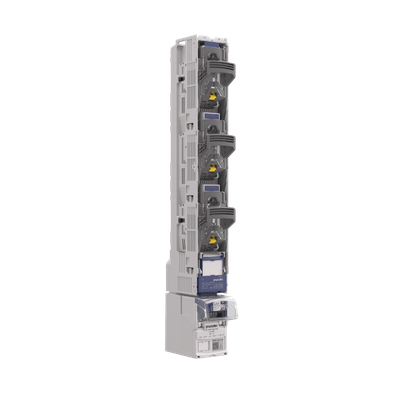
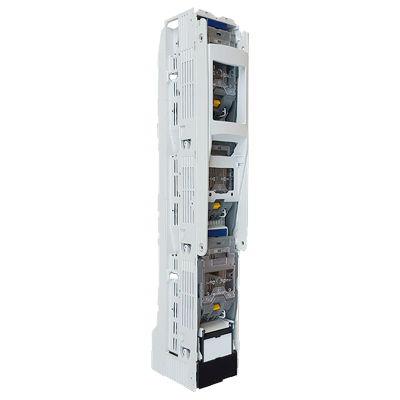
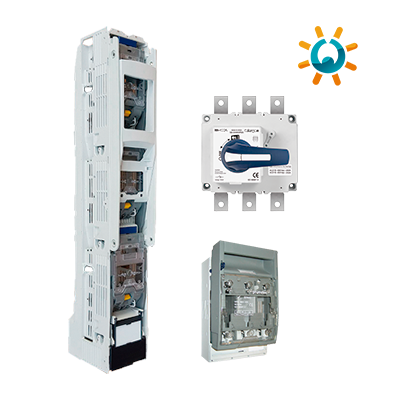
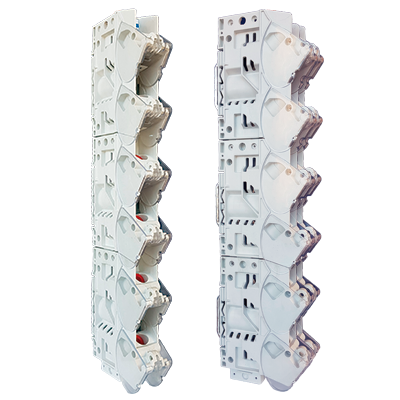
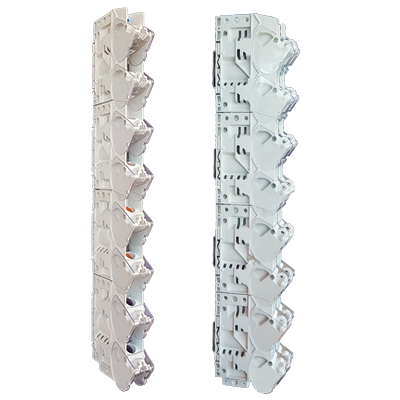
That is why, at Pronutec, we are already working to support this transition by developing fuse switches and AC combiner panels for 1000 V AC photovoltaic applications, designed to meet the new electrical and protection requirements associated with this increase in voltage.
Inverter Manufacturers Are Driving the Transition to 1000 V AC
This evolution is not being driven by electrical panel manufacturers. Leading inverter manufacturers are introducing a new generation of utility-scale solutions, with string inverters already reaching power ratings of around 500 kW and 1000 V AC output architectures.
The aim is to increase the power handled by each unit and enable larger generation blocks, with solutions already proposing blocks exceeding 7 MW, while optimising the Balance of System (BOS) and the Levelised Cost of Energy (LCOE) of large-scale solar PV plants.
This change has a direct impact on the rest of the photovoltaic installation. As inverters evolve towards 1000 V AC, the equipment responsible for protecting, combining and carrying their AC output to the transformer must evolve accordingly. Fuses, fuse switches, cables, AC combiner panels and other components are therefore becoming part of this technological transition.
Why Move from 800 V AC to 1000 V AC in Solar PV Plants?
The electrical principle behind this evolution is straightforward. In a three-phase system, power is determined by:
P = √3 · V · I · cos φ
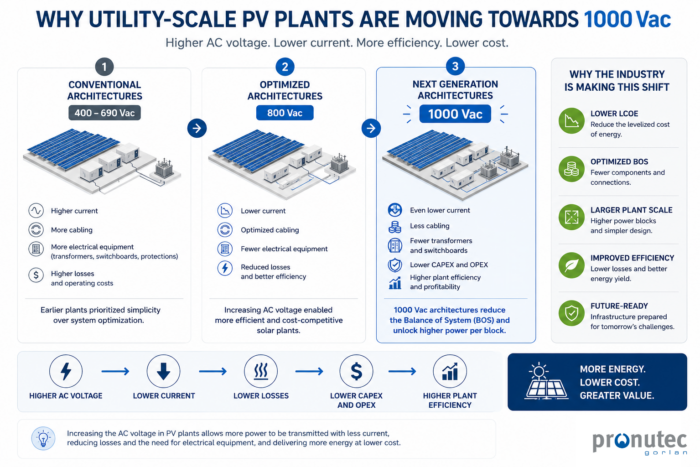
To transmit the same power, increasing the voltage allows the current to be reduced.
For example, for a power output of 500 kW and assuming a power factor close to 1:
| AC Voltage | Approximate Current |
|---|---|
| 800 V AC | 361 A |
| 1000 V AC | 289 A |
Moving from 800 V AC to 1000 V AC reduces the current required to transmit the same power by approximately 20%.
Since resistive losses are proportional to the square of the current, this reduction could theoretically result in up to 36% lower losses in a conductor with the same resistance. In practice, designers can use this advantage to optimise losses, conductor cross-sections, distances or transmitted power.
+25% voltage → −20% current → up to −36% I²R losses, assuming constant resistance.
The ultimate objective is not simply to increase voltage, but to optimise the overall plant architecture and its Balance of System (BOS).
What Benefits Can 1000 V AC Bring to Solar PV Plants?
Lower Electrical Losses
Resistive losses in conductors depend on the square of the current:
P losses = 3 · I² · R
Therefore, reducing current decreases losses due to the Joule effect. The actual benefit will depend on the final installation design, as part of this advantage may be used to optimise conductor cross-sections.
AC Cabling Optimisation
Lower current makes it possible to consider smaller conductor cross-sections or transmit higher power under the same cabling and voltage-drop conditions, depending on the requirements of each plant.
In large-scale photovoltaic installations, where AC cable runs can be extensive, this optimisation can have a significant impact on copper consumption and installation costs.
Balance of System (BOS) Optimisation
The combination of higher-power inverters and 1000 V AC architectures makes it possible to design larger power blocks and new AC combining configurations.
This creates opportunities to optimise the number and sizing of cables, AC combiner panels, connections and other components located between the inverters and the transformer.
1000 V AC: Lower Current, but Higher Electrical Requirements
The advantages associated with increasing voltage to 1000 V AC also bring new technical challenges.
While lower current can be beneficial from a thermal perspective, operating at 1000 V AC increases the dielectric requirements placed on low-voltage equipment.
Equipment designed for these new architectures must consider aspects such as:
- Insulation coordination and electrical clearances.
- Dielectric performance of insulation materials, busbars and connections.
- Switching and disconnection capabilities at 1000 V AC.
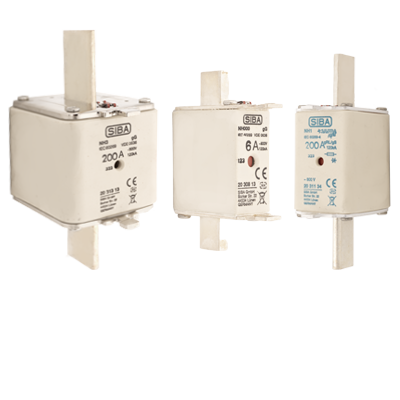
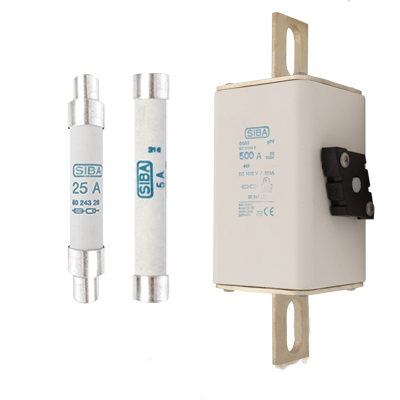
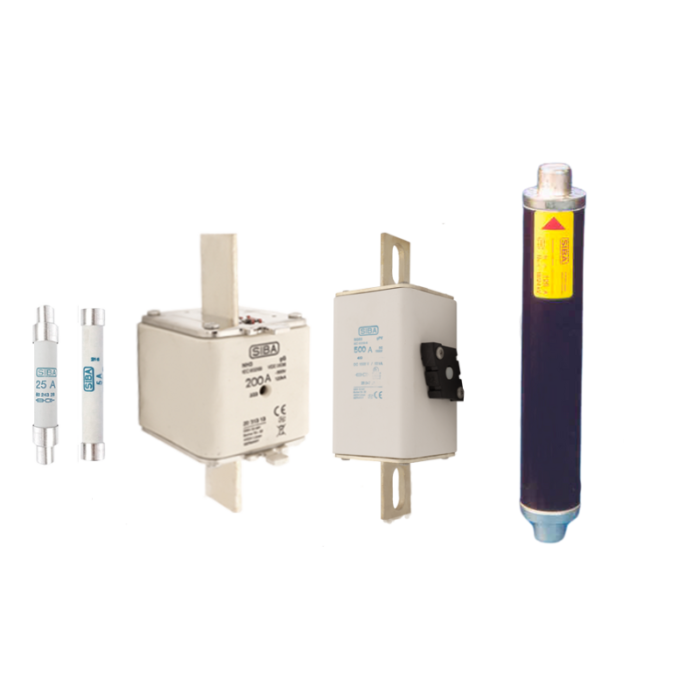
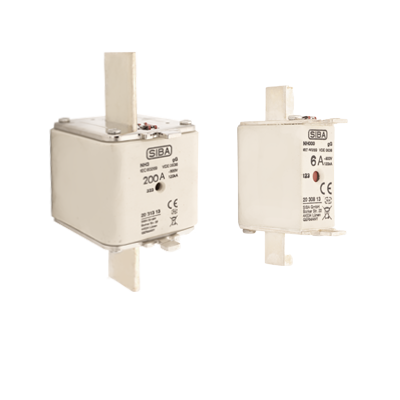
- Fuses and fuse switches specifically rated for this voltage level.
- Short-circuit performance.
- Coordination between different protection devices.
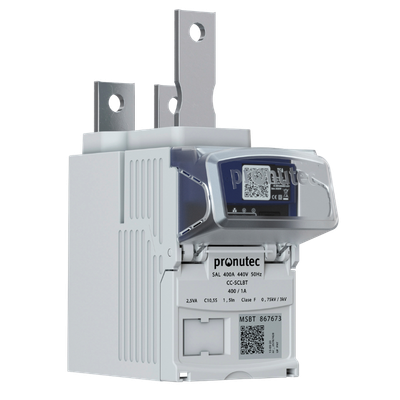
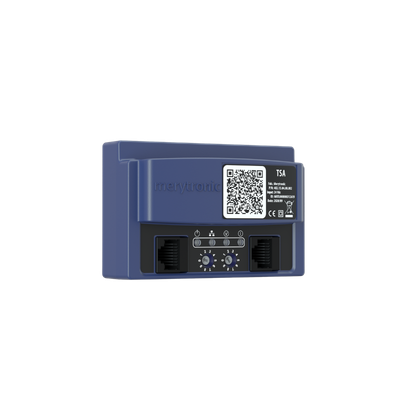
- Suitability of auxiliary components, measurement and monitoring systems.
Therefore, a 1000 V AC panel is not simply an 800 V AC panel operating at a higher voltage. Both the components and the complete assembly must be designed and verified for the new operating conditions.
What Does 1000 V AC Mean for Solar PV AC Combiner Panels?
The introduction of 1000 V AC photovoltaic inverters also requires the evolution of the entire electrical infrastructure downstream of the inverters.
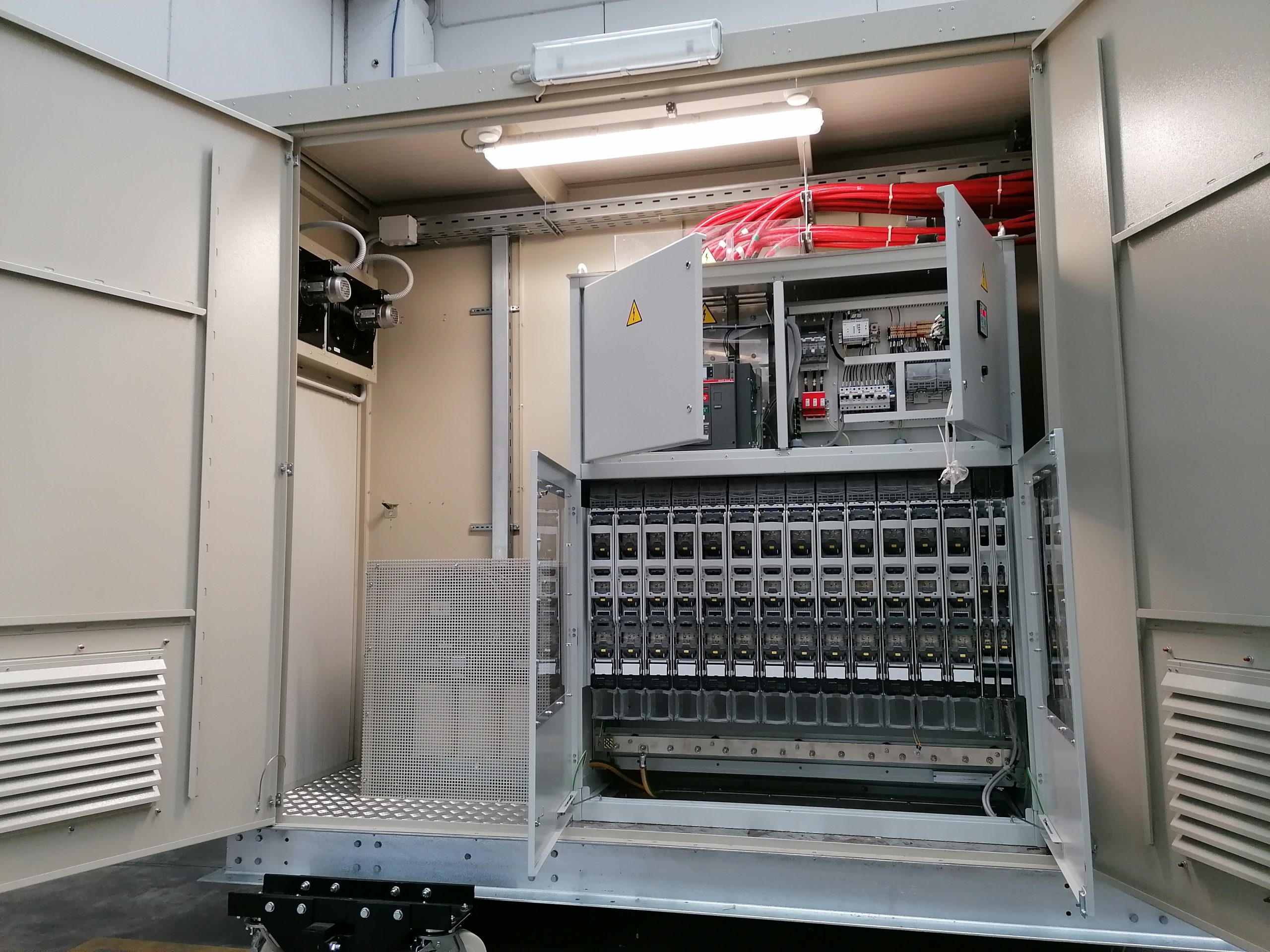
AC lines must be capable of being protected and disconnected before being combined on a common busbar, while the complete panel must be designed to distribute increasingly higher power levels while maintaining safety, reliability and efficiency requirements.
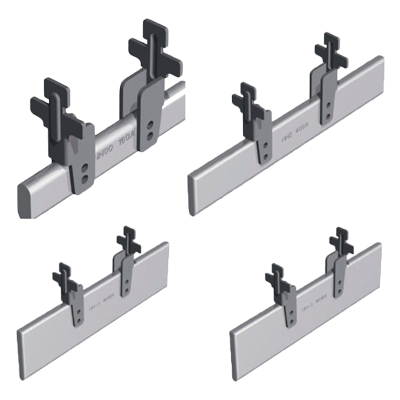
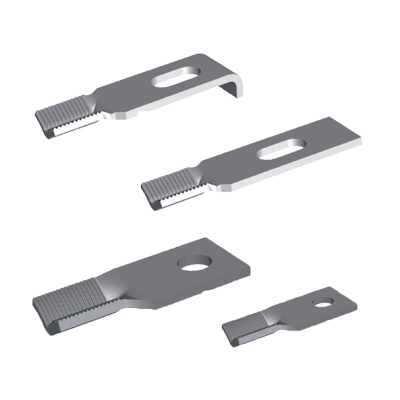
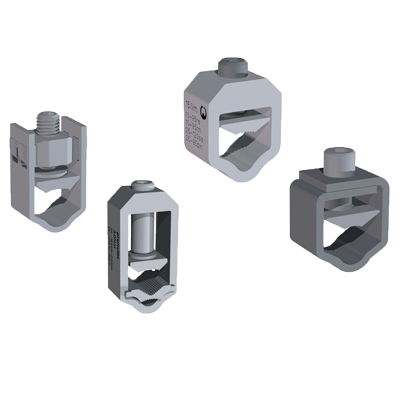
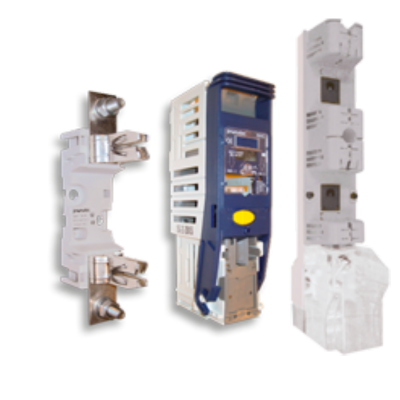
This requires the specific development of protection devices, fuse switches, busbars and electrical panels for 1000 V AC, as well as validation of their performance as part of the overall system.
Pronutec: Electrical Protection and Distribution Panels for 1000 V AC
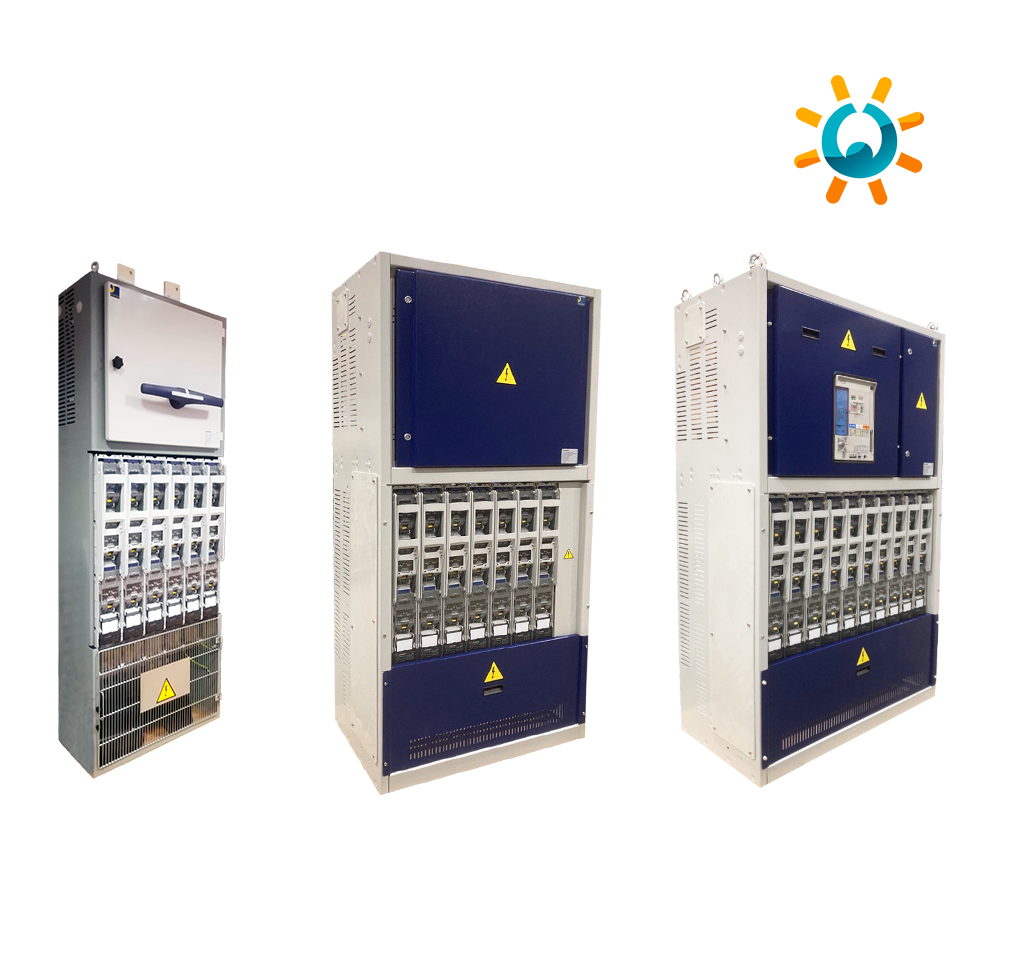
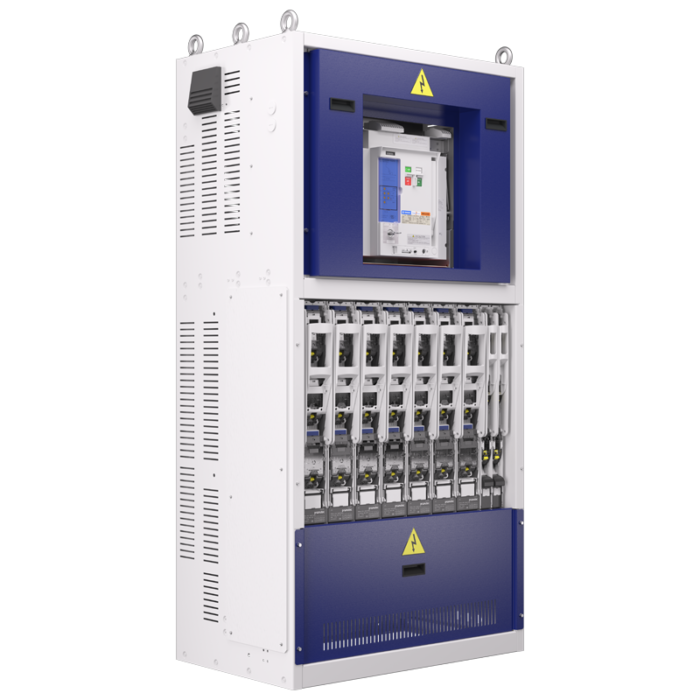
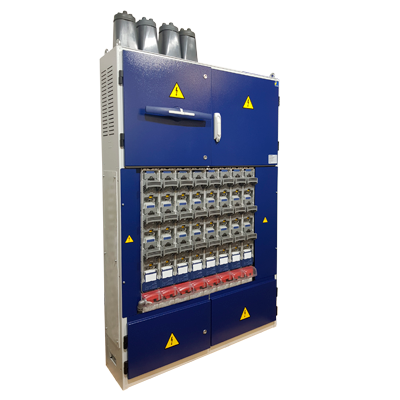
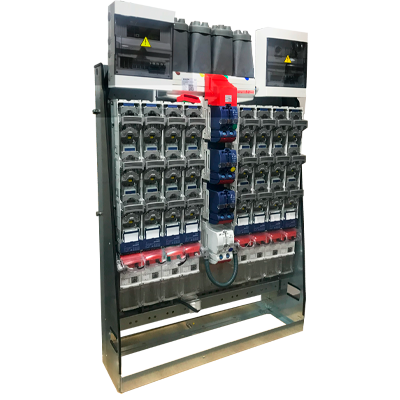
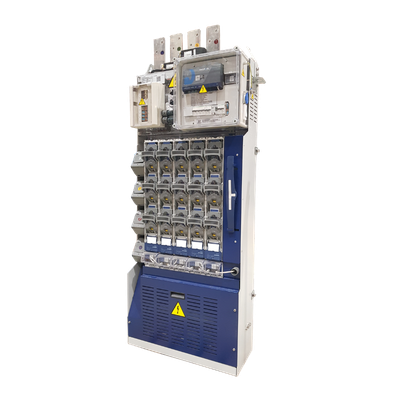
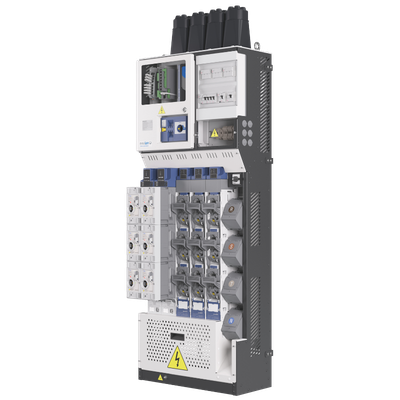
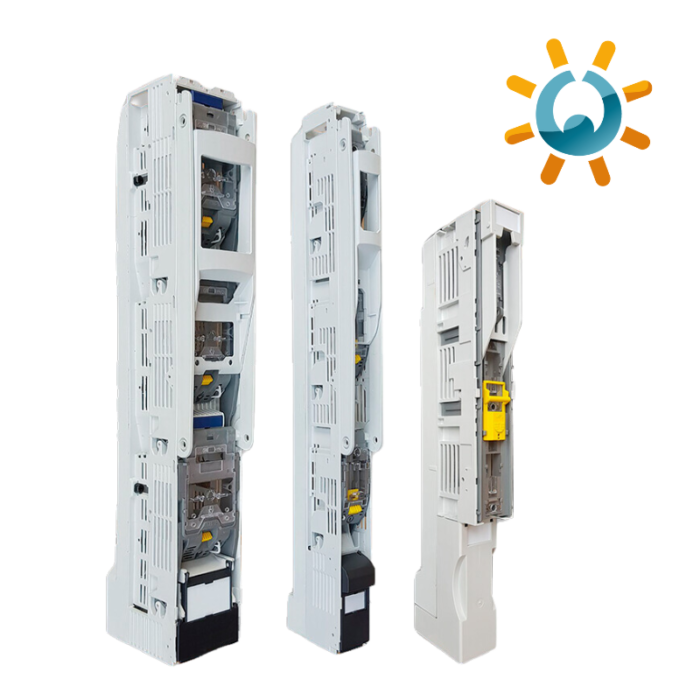
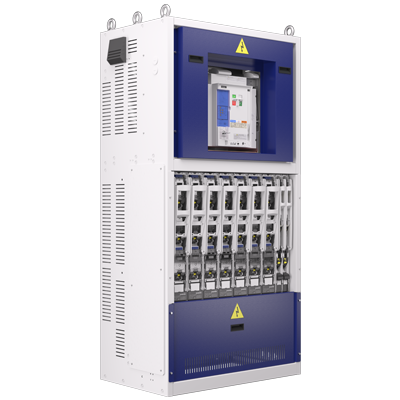
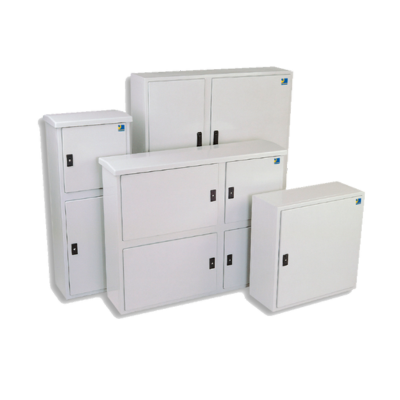
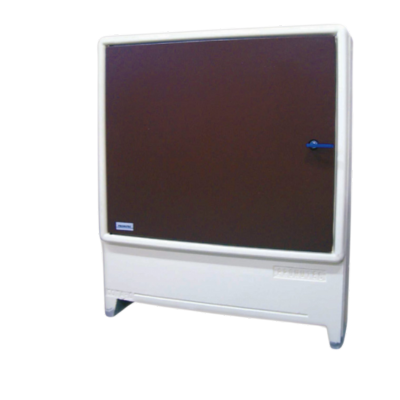
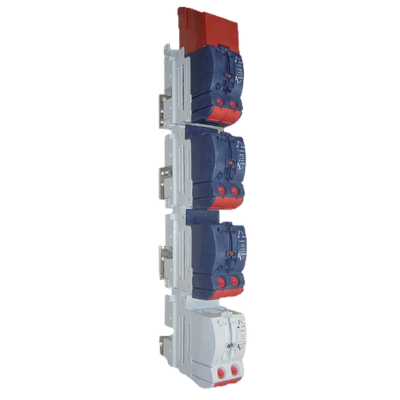
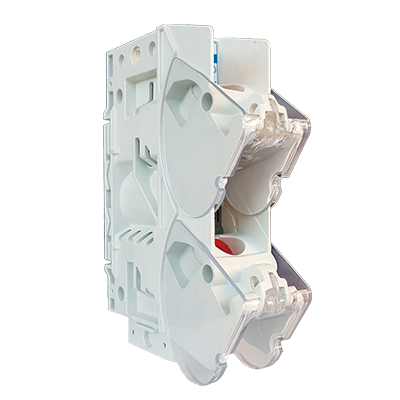
At Pronutec, we are working on the development of a new generation of 1000 V AC fuse switches and AC combiner panels for utility-scale solar PV plants, anticipating the evolution already taking place in inverter technology.
The expected short-term availability of new fuses for 1000 V AC applications will make it possible to complete the validation of these new protection solutions and move towards industrialisation.
The objective is clear: when 1000 V AC inverters begin to be widely incorporated into new photovoltaic projects, the low-voltage infrastructure required to protect, combine and distribute their energy should also be ready to make the transition to 1000 V AC.

Related News

Low voltage AC distribution switchboards
Low voltage AC distribution switchboards for all types of photovoltaic installations. More than 30 years...

Fuse switches for AC 800 V
Pronutec ha desarrollado su nueva gama TRIVER+ 800. Una línea de bases tripolares verticales, diseñadas...


 Gorlan


Pronutec, a  company
