

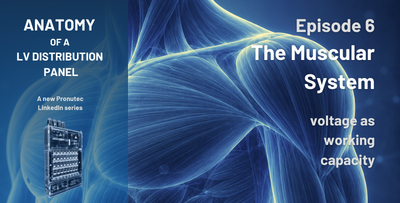
The Muscular System of a Distribution Panel: Voltage as Working Capacity
If a low-voltage distribution panel were a human body, its muscular system would represent its working capacity.
It is the system that allows effort to be made, power to be delivered and demands from the environment to be handled. In an electrical panel, this capability is directly related to the operating voltage level.

The Muscular System: Voltage as Working Capacity
More power without increasing current
Traditionally, increasing the power of an installation meant increasing the current. However, this also leads to higher Joule-effect losses, increased heating and the need to oversize conductors and components, resulting in higher installation costs.
The evolution of the sector, especially in applications such as photovoltaics, is driving a clear trend: increasing the operating voltage in order to transport more power without increasing current.
This approach improves system efficiency by reducing losses and optimizing the overall performance of the installation.
The trend towards higher voltages
In modern photovoltaic plants, especially in string inverter configurations, the use of voltages up to 800 V in low-voltage systems is becoming an efficient and competitive solution.
This voltage increase allows more power to be transmitted with lower currents, reducing energy losses and optimizing the sizing of cables and equipment.
It is not only about increasing voltage: it is about redesigning the system
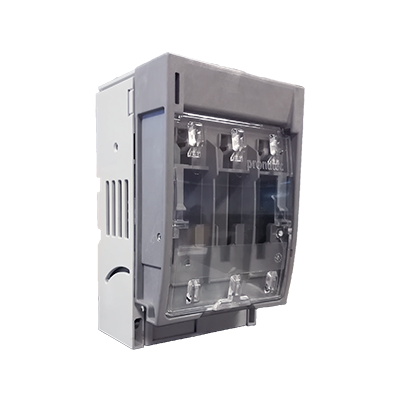
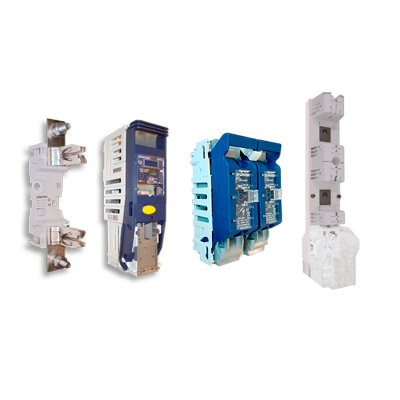
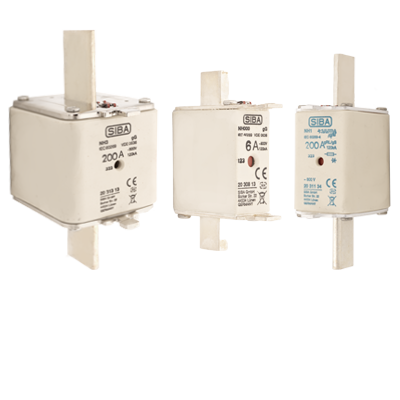
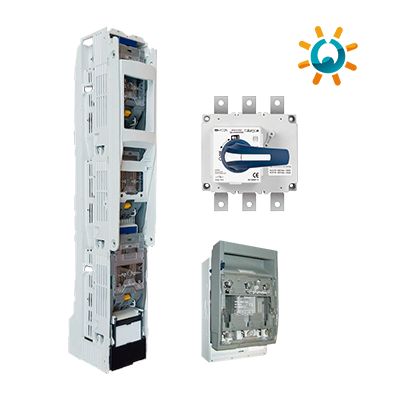
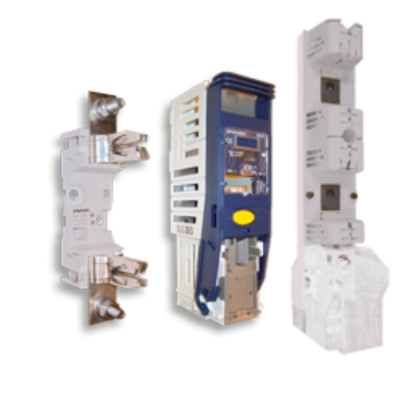
Operating at higher voltages is not simply a matter of changing a nominal value. It requires the integration of components specifically designed for these voltage levels, such as circuit breakers, fuses, fuse-switch disconnectors and suitable measuring devices.
In addition, it represents a major challenge from both the electrical and mechanical design perspective.
Higher voltage levels require increased insulation capability, as well as special attention to air clearances and creepage distances in order to guarantee system safety and prevent the risk of electrical discharges or arc faults.
This requires reviewing the internal arrangement of components, the materials used and the coordination of the entire system, ensuring that the assembly responds correctly to these new operating conditions.
Pronutec approach
At Pronutec, we are aligned with the latest market trends, where higher operating voltages have already become an established reality.
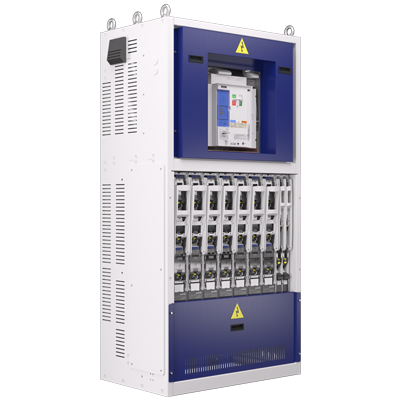
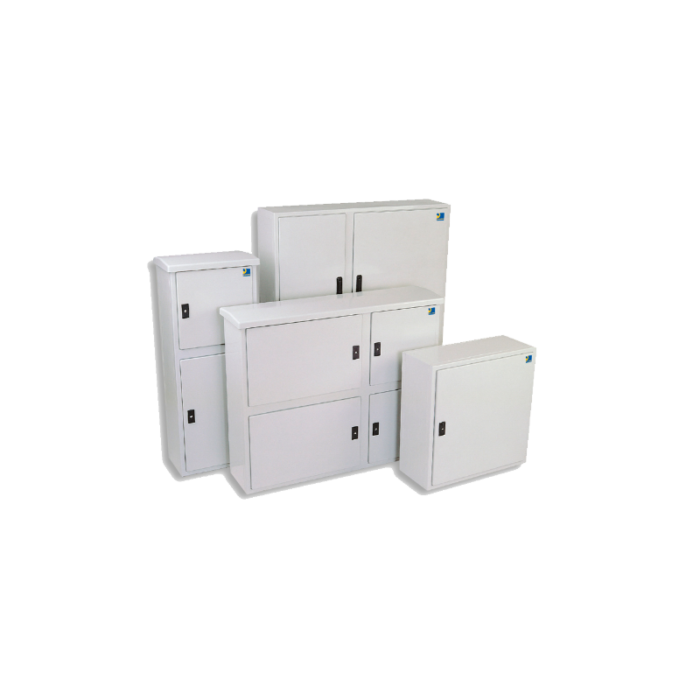
Our range of low-voltage distribution panels includes solutions specifically adapted for photovoltaic applications up to 800 V, integrating the appropriate components and ensuring a safe, efficient and standards-compliant design.
This approach allows us to provide solutions ready for the new demands of the energy sector, always maintaining the balance between performance, reliability and safety.
Conclusion
Voltage defines the working capacity of an electrical panel. But increasing that capacity also means facing new design challenges, especially in terms of insulation and safety.
Because, just like in the human body… it is not only about making more effort, but about doing it safely and efficiently.
Pronutec Solutions: design and configuration for applications up to 800 V
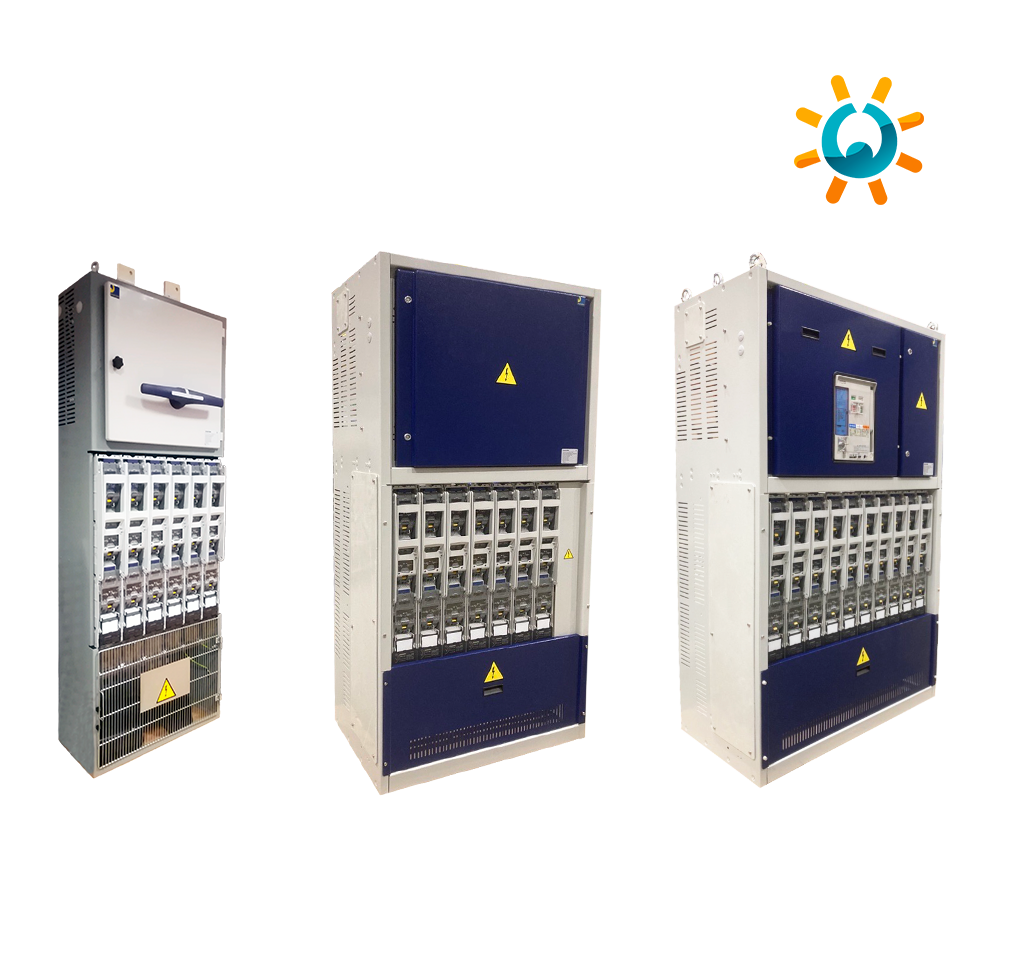
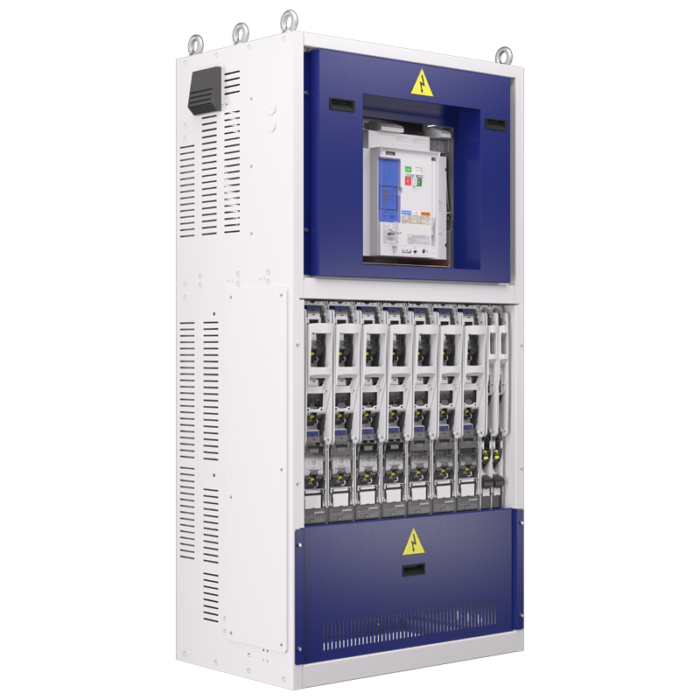
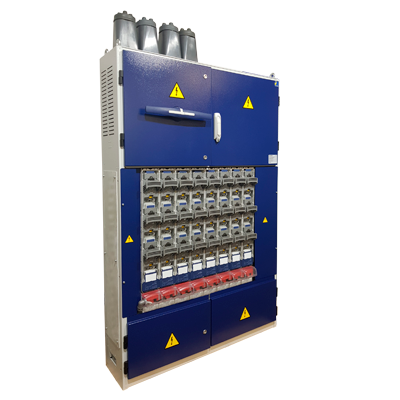
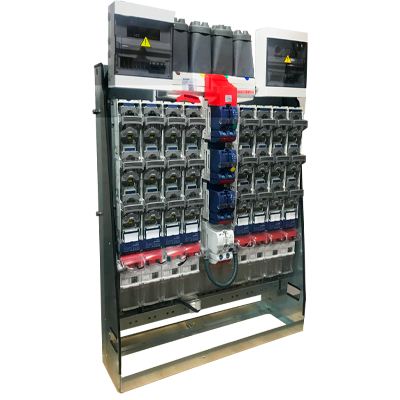
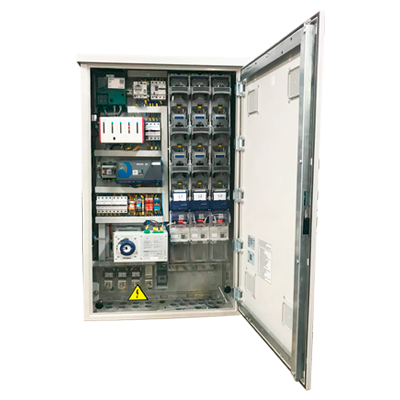
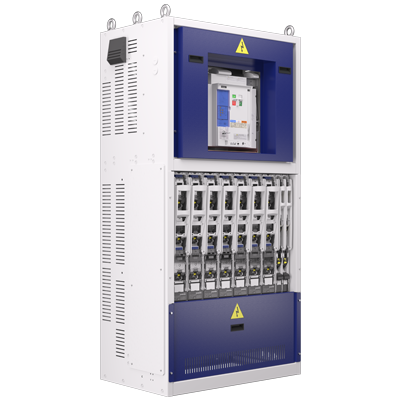
At Pronutec, we develop specific solutions for AC photovoltaic applications, adapted to the evolution of the sector towards low-voltage networks up to 800 V AC.
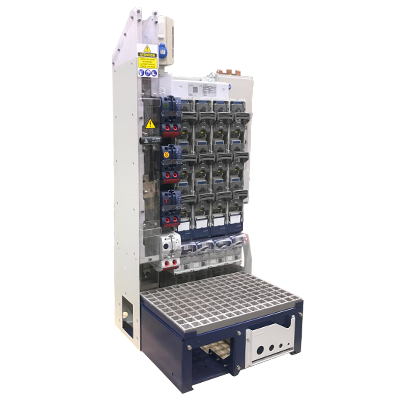
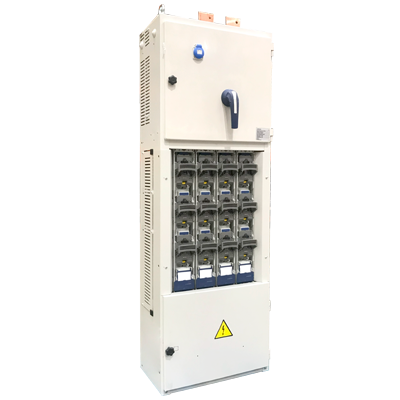
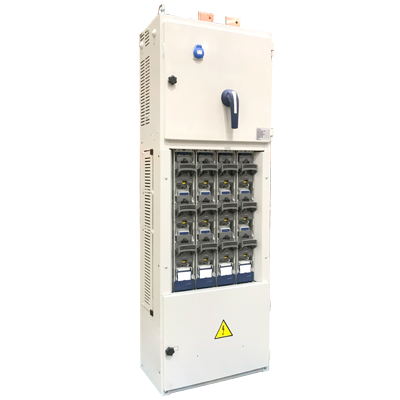
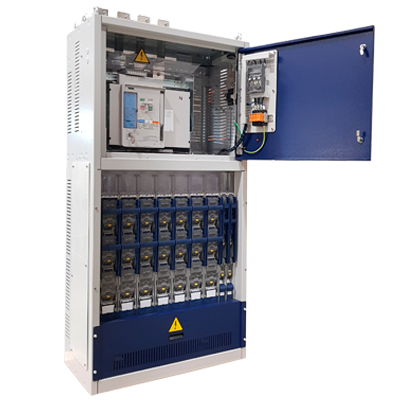
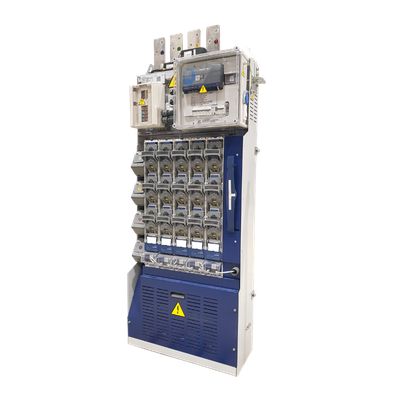
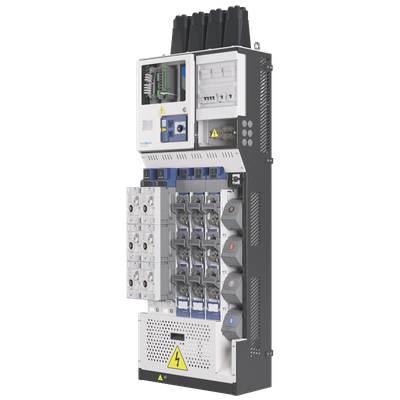
Our range includes combiner and distribution panels designed for installations with string inverters, allowing higher power transmission with lower currents and reducing the overall energy losses of the system.
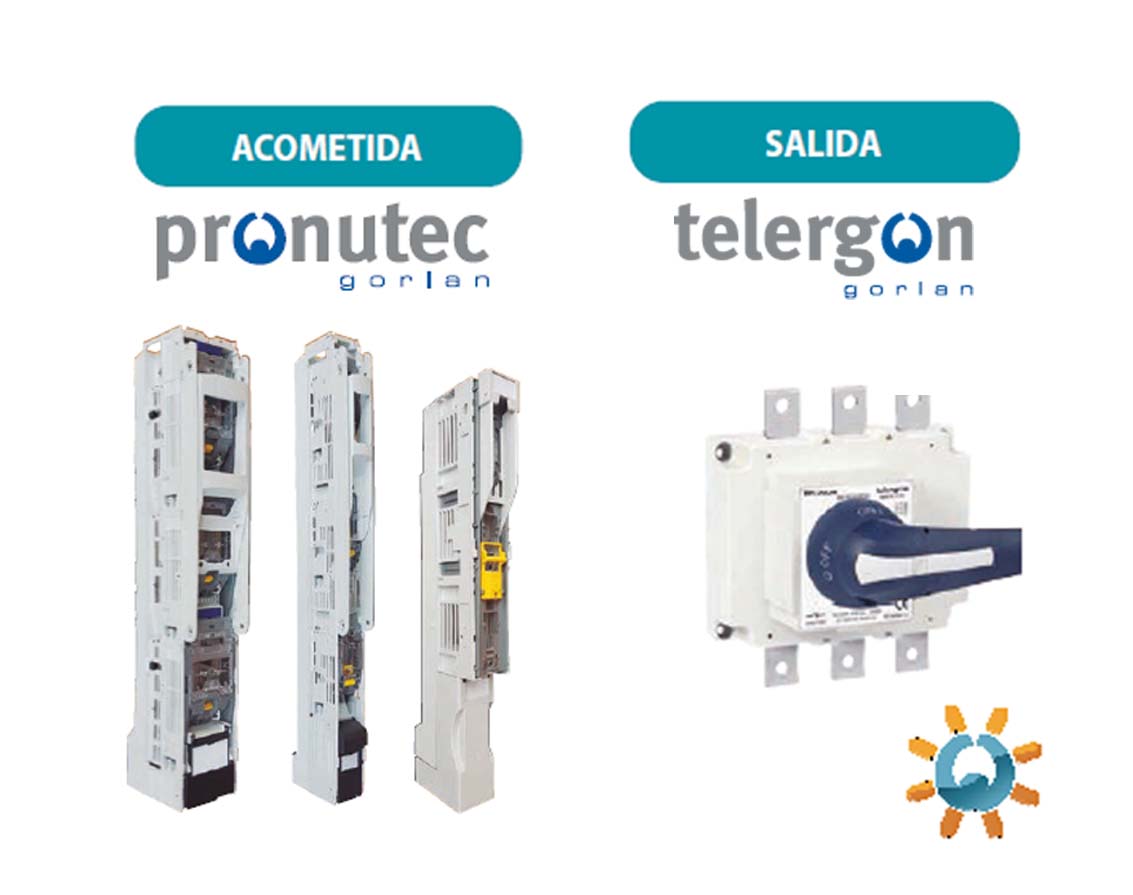
The range is available for voltages from 400 up to 800 V AC and rated currents up to 4000 A, incorporating different incoming and outgoing configurations, circuit breakers, fuse-switch disconnectors and auxiliary services adapted to the needs of each photovoltaic plant.
In addition, the solutions can be configured for both indoor and outdoor installations, using different enclosure types and protection systems.
To simplify the design of these installations, Pronutec also provides a dedicated 3D configurator for 800 V photovoltaic panels. By selecting parameters through configurable menus, the tool automatically defines the panel configuration and generates both a 3D CAD model and 2D drawings of the resulting solution.
The configurator allows the selection of:
- Rated currents from 1600 up to 4000 A
- Configurations with 8, 10, 12 or 14 incoming lines from inverters
- Additional extension modules with 8, 10, 12 or 14 extra lines
This approach allows the panel to be adapted to the real needs of each photovoltaic installation, facilitating future expansions and accelerating the engineering and validation process.
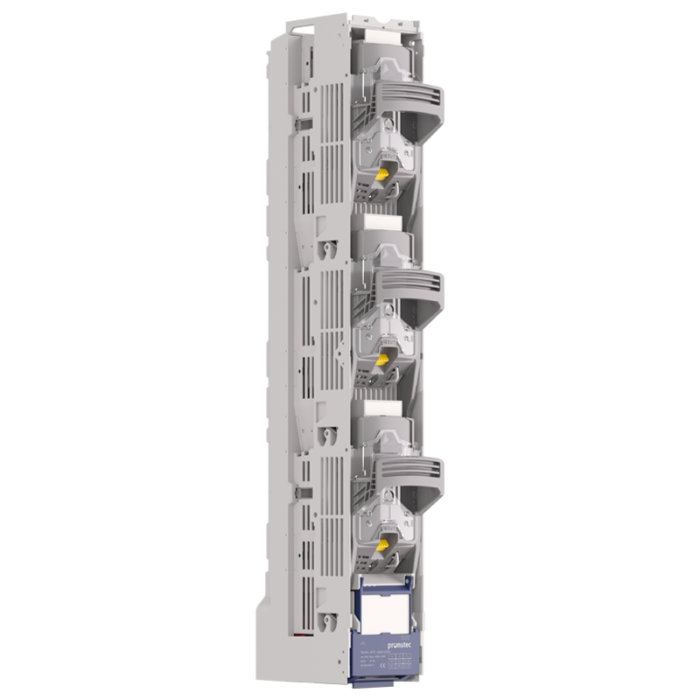
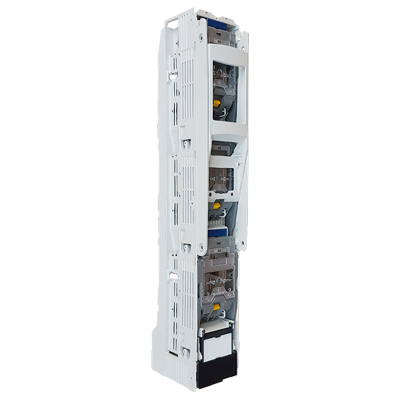
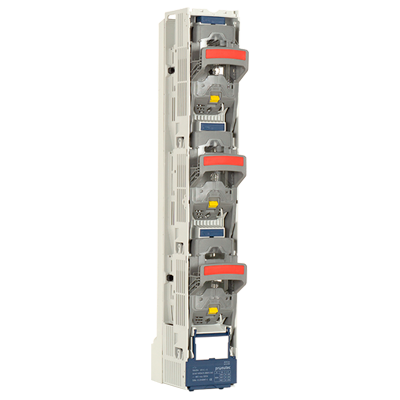
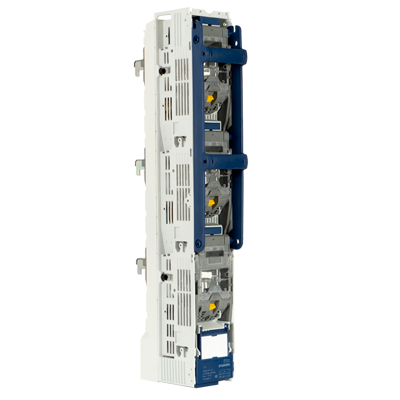
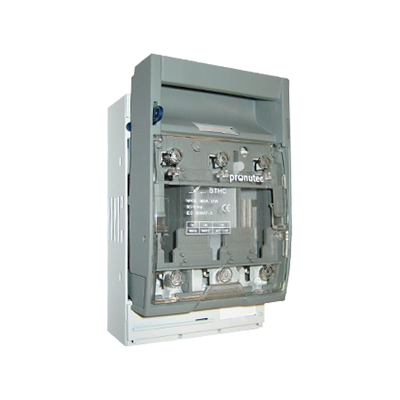
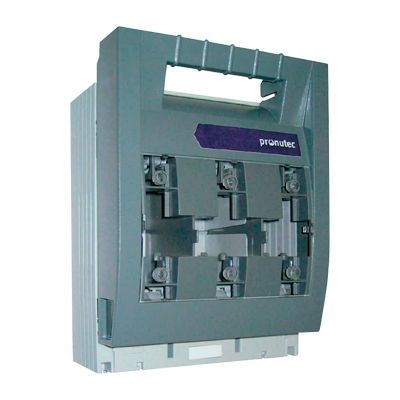
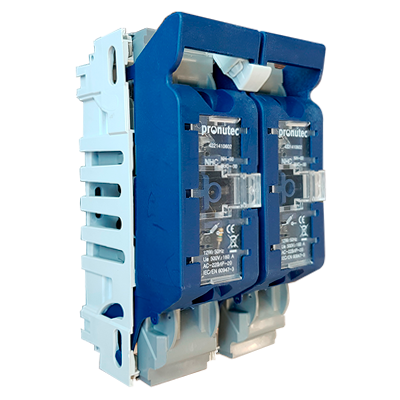
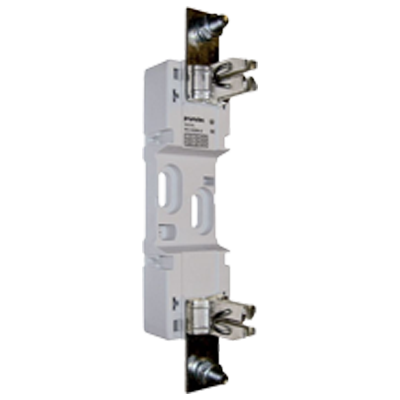
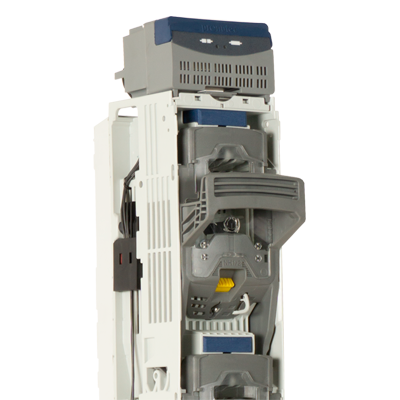
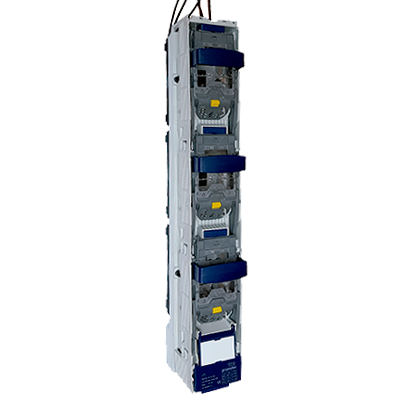
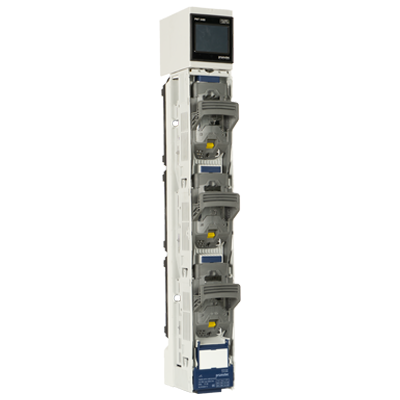
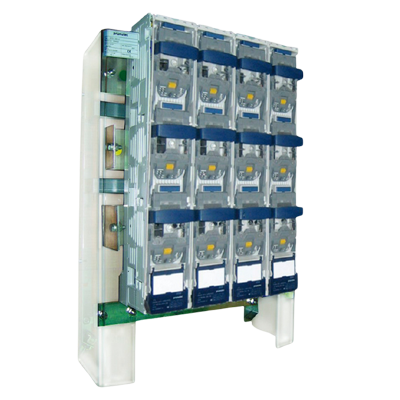
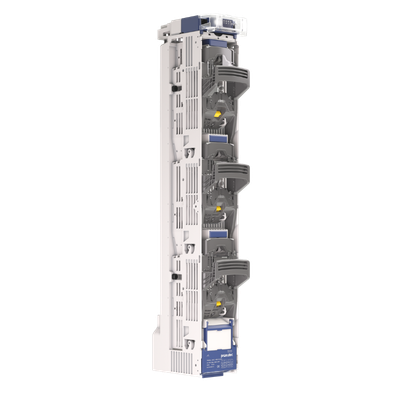
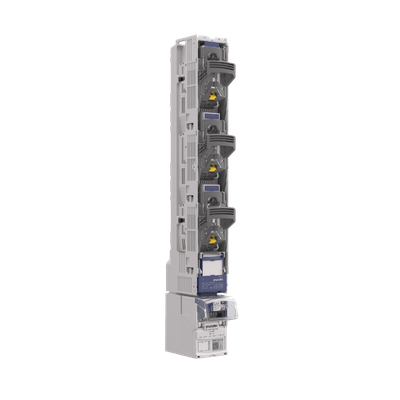
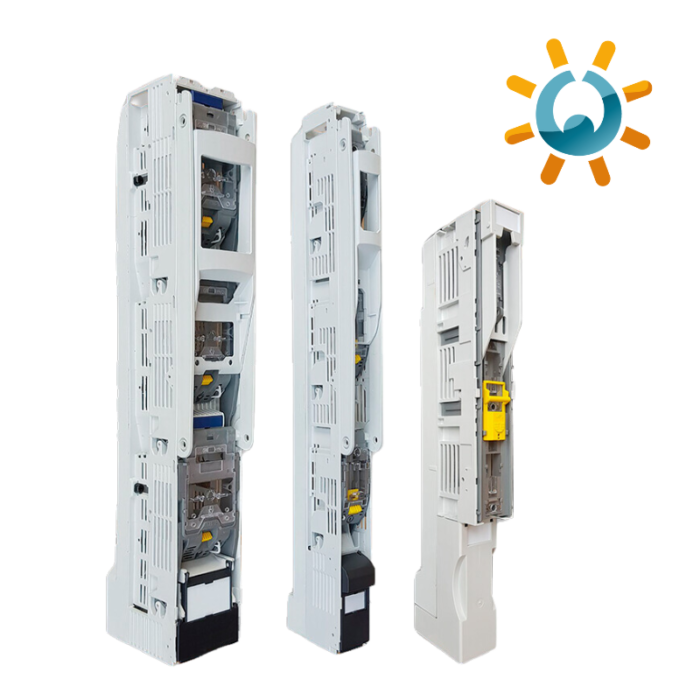
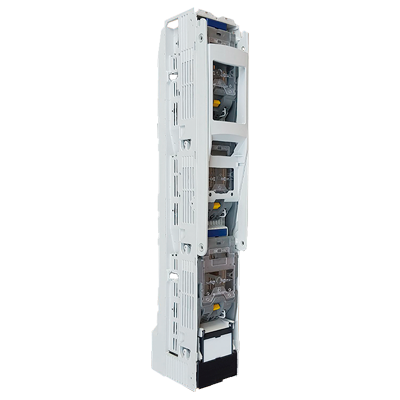
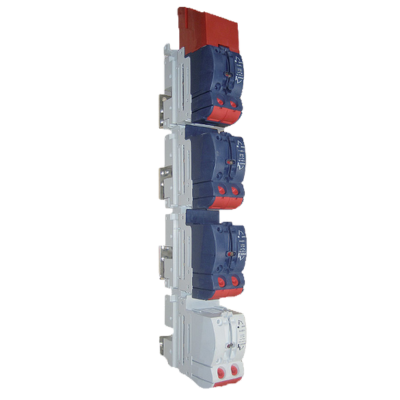
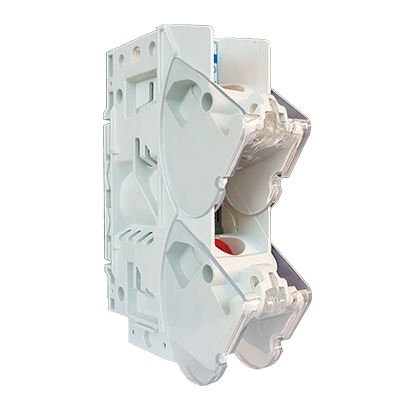
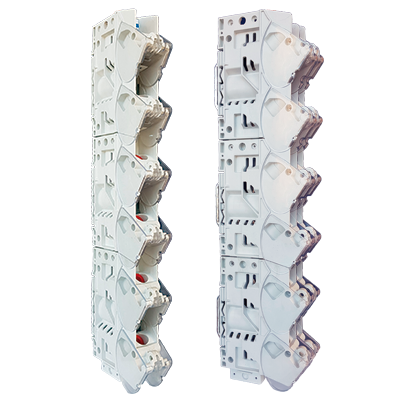
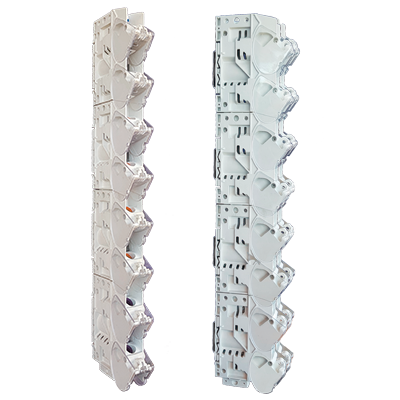
In addition, the range incorporates components specifically developed for 800 V AC applications, such as the TRIVER+ 800 family of vertical fuse-switch disconnectors, designed to guarantee safe and reliable protection in next-generation photovoltaic networks.
These solutions have been verified for voltages up to 800 V AC and short-circuit currents up to 120 kA, while maintaining the robustness and flexibility characteristic of the Pronutec range.
Esther Plasencia
Head of H&D at Pronutec
Related News
Pronutec to showcase smart grid monitoring and automation solutions at Enlit Europe 2026
Pronutec will participate in Enlit Europe 2026, taking place from 10 to 12 November in...

The DNA of an LV Distribution Panel: The Engineering That Defines It
If an LV distribution panel were a human body, its DNA would be the engineering...
The Muscular System of a Distribution Panel: Voltage as Working Capacity
If a low-voltage distribution panel were a human body, its muscular system would represent its...


 Gorlan


Pronutec, a  company