


The Skeleton of a Low-Voltage Distribution Panel: The Mechanical Structure
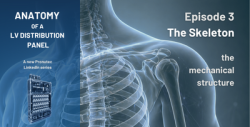
If a low-voltage distribution panel were a human body, its mechanical structure would be the skeleton.
It is an element that often goes unnoticed, but it is essential for the proper functioning of the entire system. All components — busbars, devices, cabling and enclosure — rely on it. Without a solid structure, the assembly loses stability, safety and reliability.
In today’s context of digitalization, smart grids and automation, it is easy to focus on the intelligence of the system. However, the reality is that all this technological layer is only possible if there is a robust mechanical foundation. The structure may have less prominence from an engineering perspective, but it is what ensures that the system operates correctly and, above all, safely.
Structural integrity and mechanical performance
The mechanical structure defines the robustness of the panel and its ability to withstand both the weight of the components and the stresses it will be subjected to throughout its lifetime.
Its function goes beyond simply supporting elements. It must ensure that insulation distances are maintained, that equipment remains properly aligned, and that connections are not subjected to mechanical stress or undue strain. Like the human skeleton, it not only supports the system, but also provides shape and stability.
Mechanical stresses under short-circuit conditions
One of the most critical moments for the structure occurs during a short circuit. Fault currents generate very high electrodynamic forces that can deform the busbars and transmit mechanical stresses to the structure. If it is not properly designed, it may lose its integrity and compromise the rest of the system.
This can be compared to a strong impact on the human body: if the skeleton is not sufficiently robust, the damage can be structural.
Durability and ageing
The structure must not only be strong at the initial stage, but also maintain its performance over time. Installation conditions have a direct impact on ageing: humid environments, corrosive atmospheres, exposure to chemical agents or thermal cycles can degrade materials and mechanical joints.
In this sense, material selection, surface treatments and structural design are key factors in ensuring long-term durability of the panel. Just like in the human body, it is not only the initial strength of the skeleton that matters, but also how it ages under real service conditions.
The structure also plays a key role outside normal operating conditions. During transport, lifting and installation, the panel is subjected to stresses independent of its electrical function. IEC 61439 includes specific verifications to ensure that the assembly can be handled without deformation or damage.
At Pronutec, the mechanical structure is designed as a key element of the overall performance of the panel.The chassis is engineered to ensure high rigidity, capable of withstanding both normal operating conditions and stresses derived from extreme situations. In addition, materials and surface treatments are selected according to the installation environment, ensuring long-term durability.This approach allows the entire system to rely on a solid, reliable and safe foundation.
In an increasingly digital world, the mechanical structure remains the element that guarantees stability, safety and reliability.
Because, just like in the human body, … without a solid skeleton, nothing stands.
Pronutec solutions: mechanical structure design and configuration
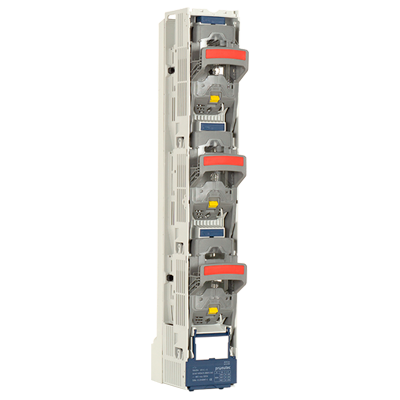
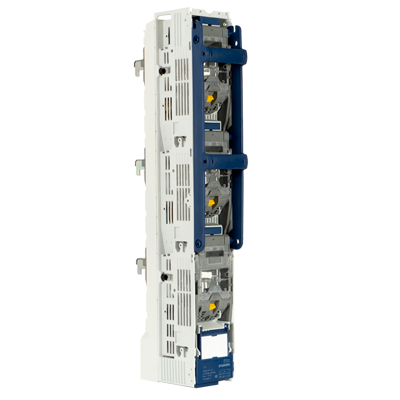
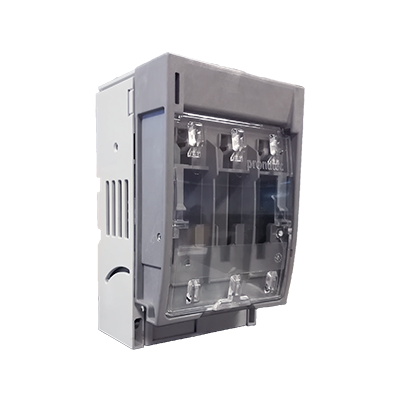
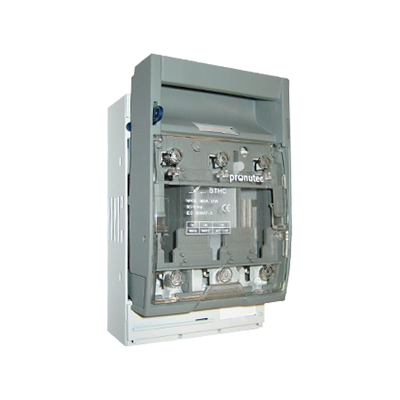
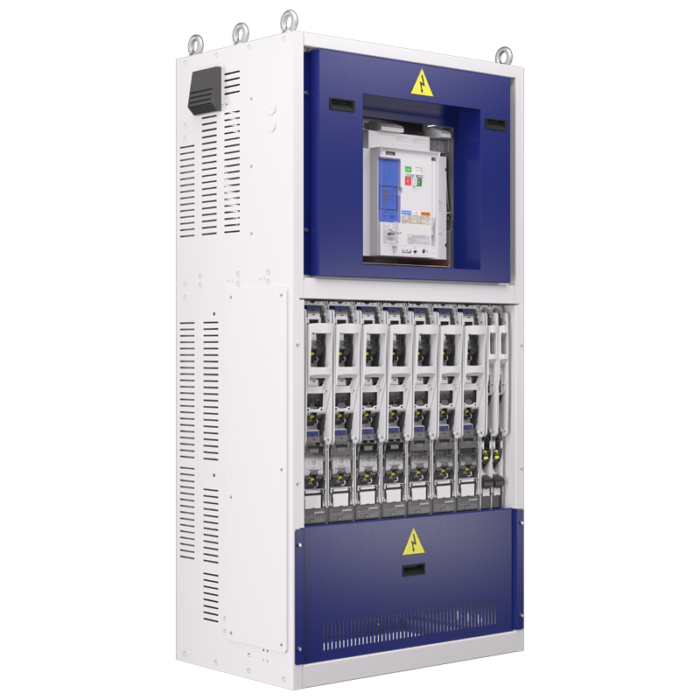
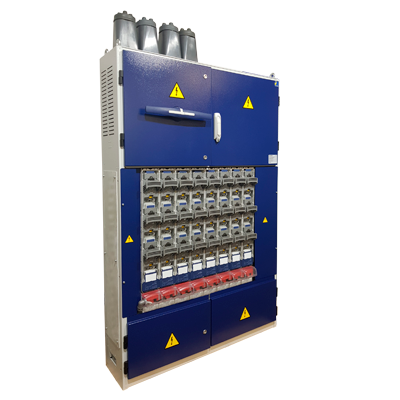
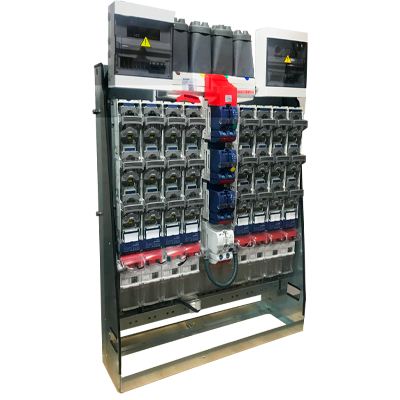
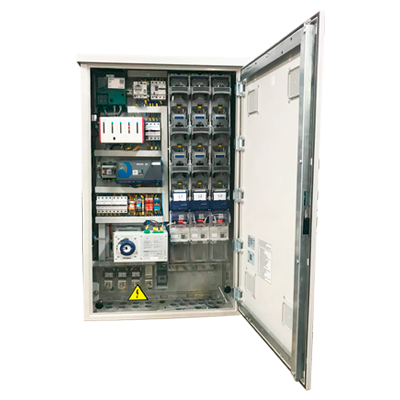
This structural approach is reflected in the different configurations available within the Pronutec range of low-voltage distribution panels.
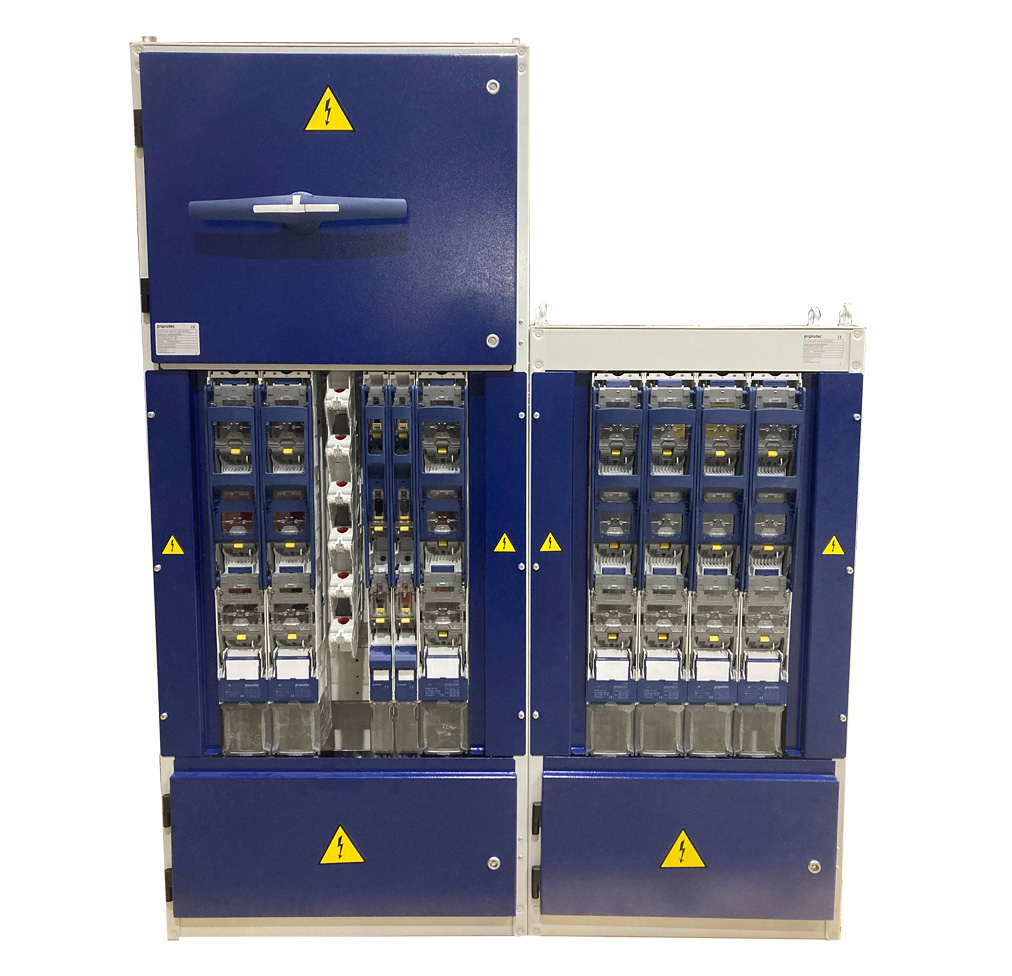
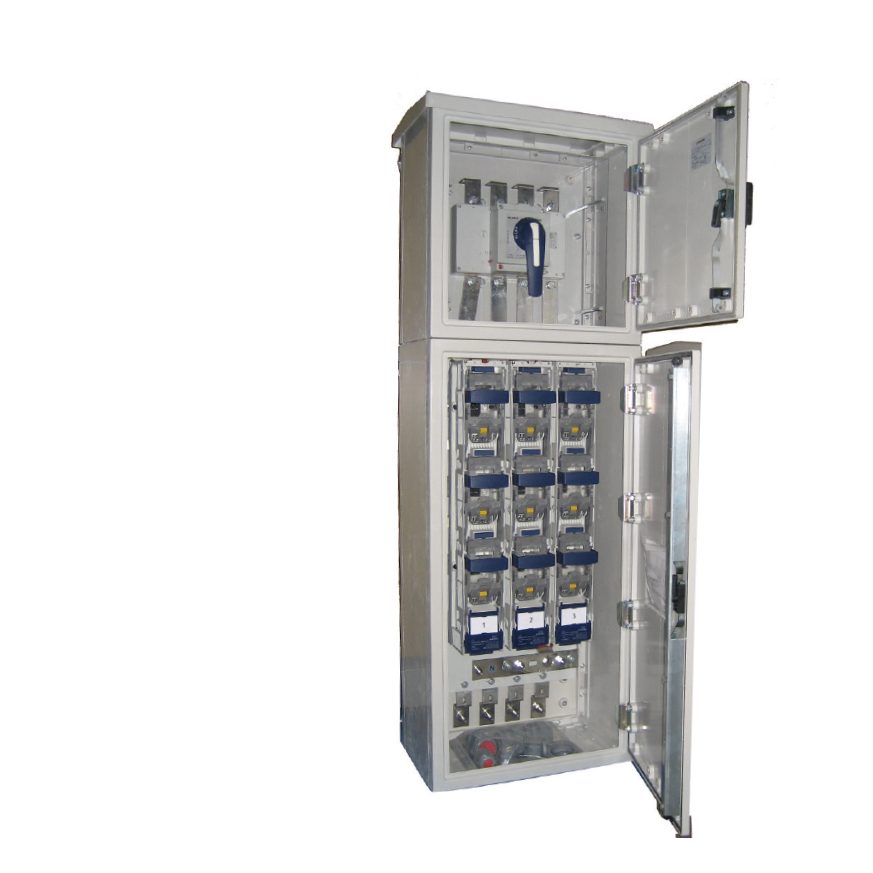
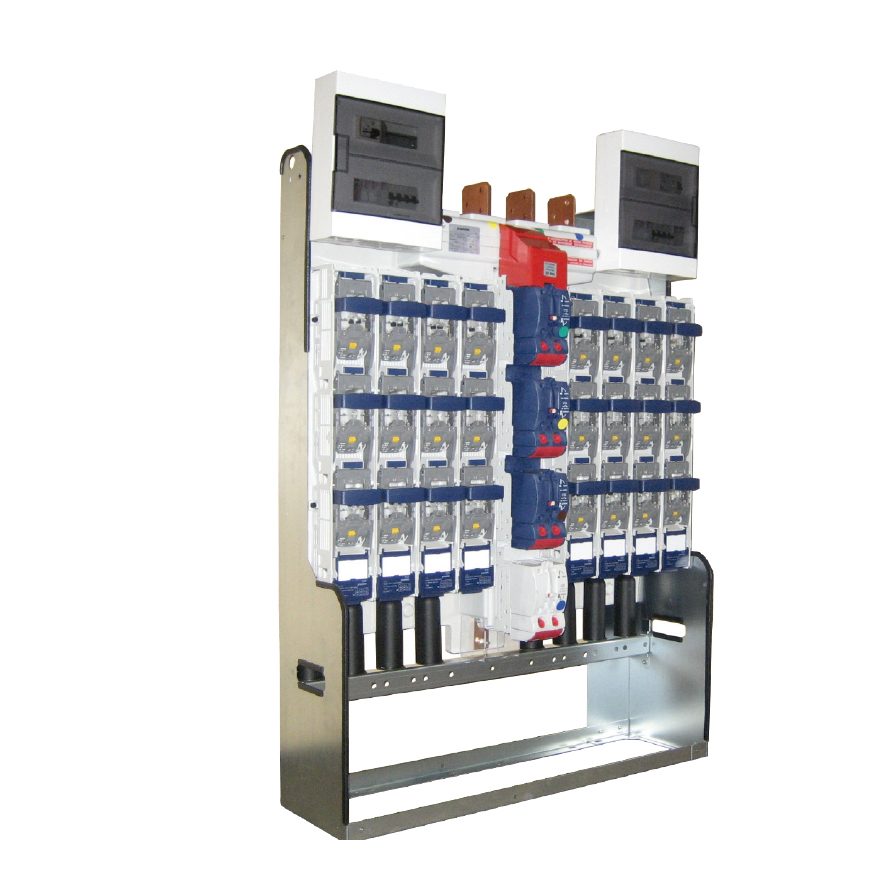
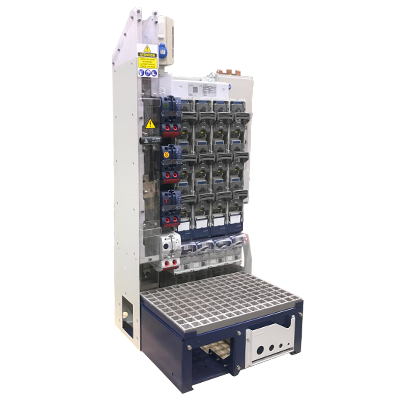
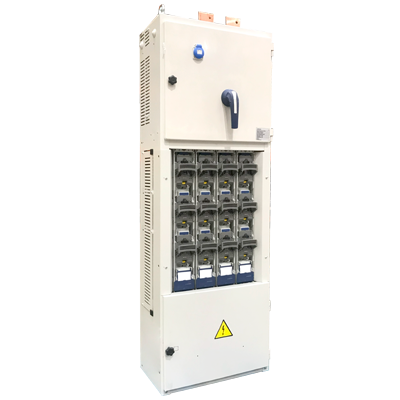
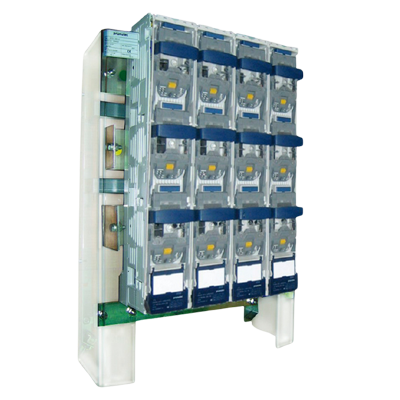
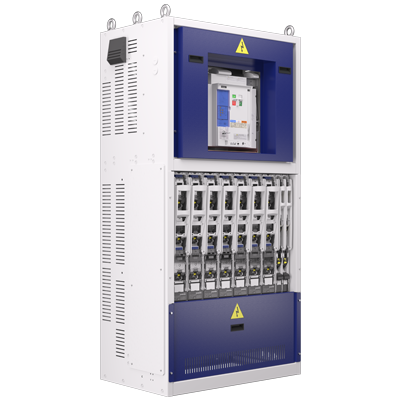
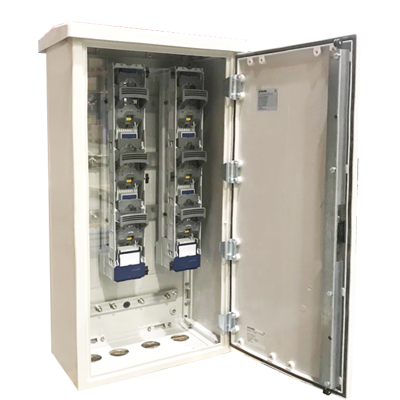
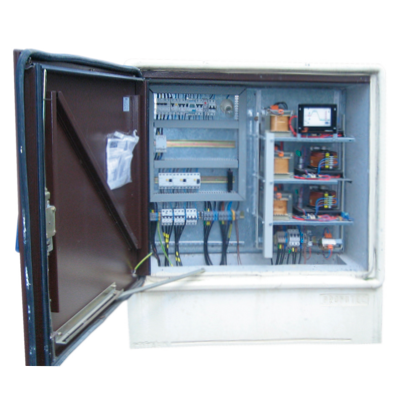
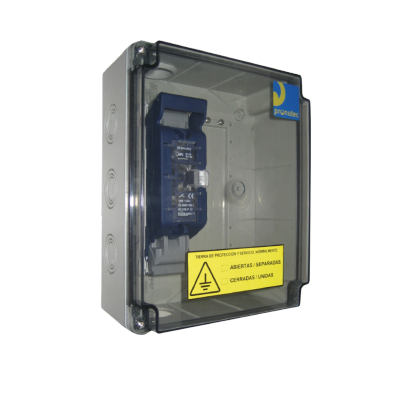
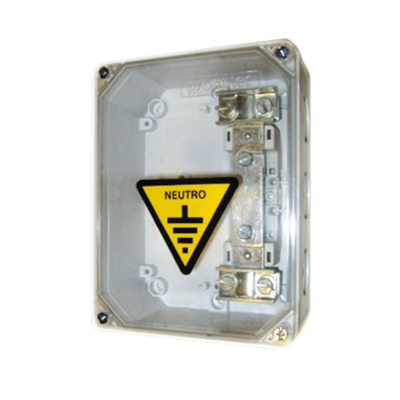
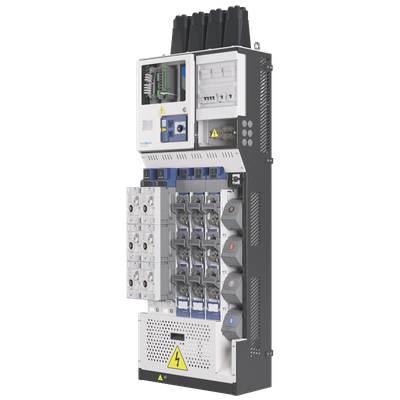
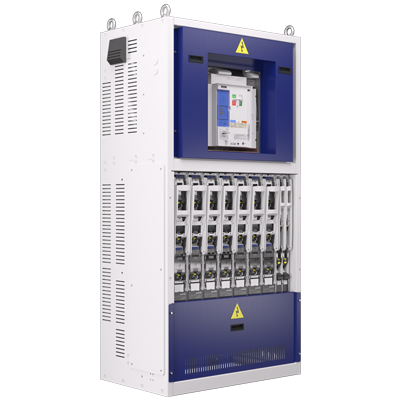
At Pronutec, the mechanical structure is designed as a key element of the overall performance of the panel and is adapted to the needs of each application. Different configurations are available depending on installation environment, customer requirements and service conditions.
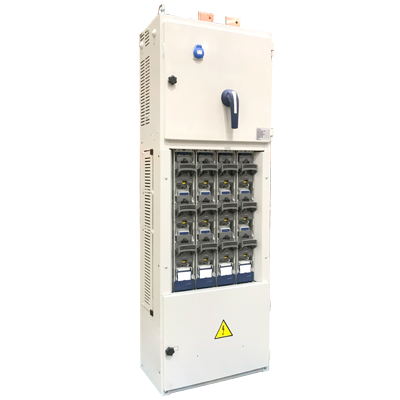
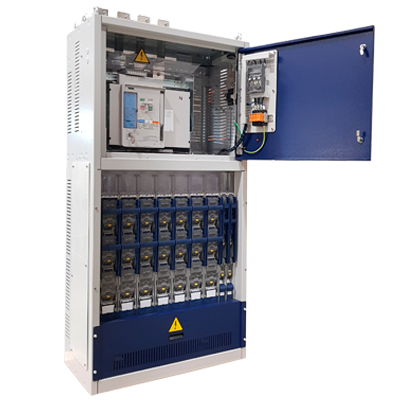
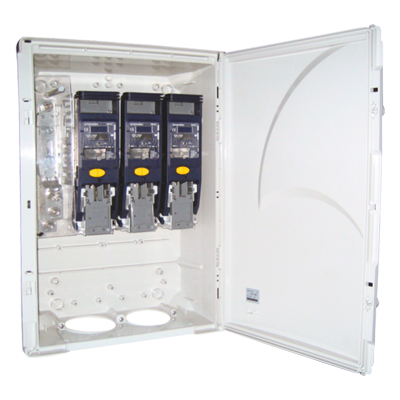
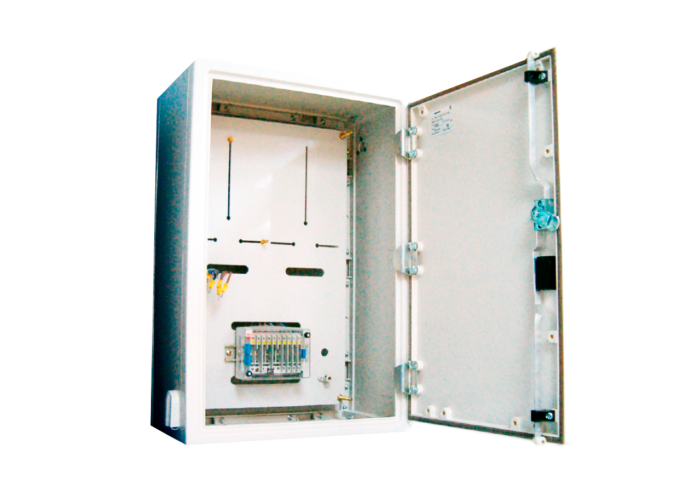
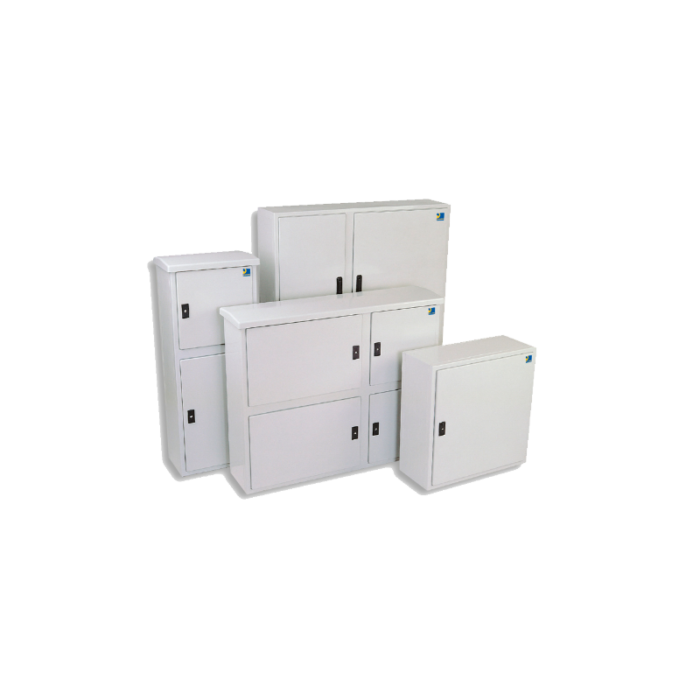
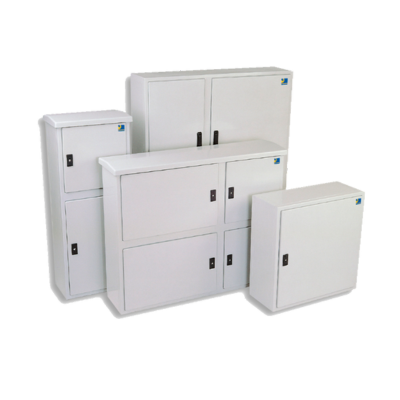
Our range allows selecting solutions from open structures to fully enclosed panels, always ensuring robustness, stability and safety.
Available structural configurations
| Structure type | Application |
| Open frame (wall-mounted) | Wall installation |
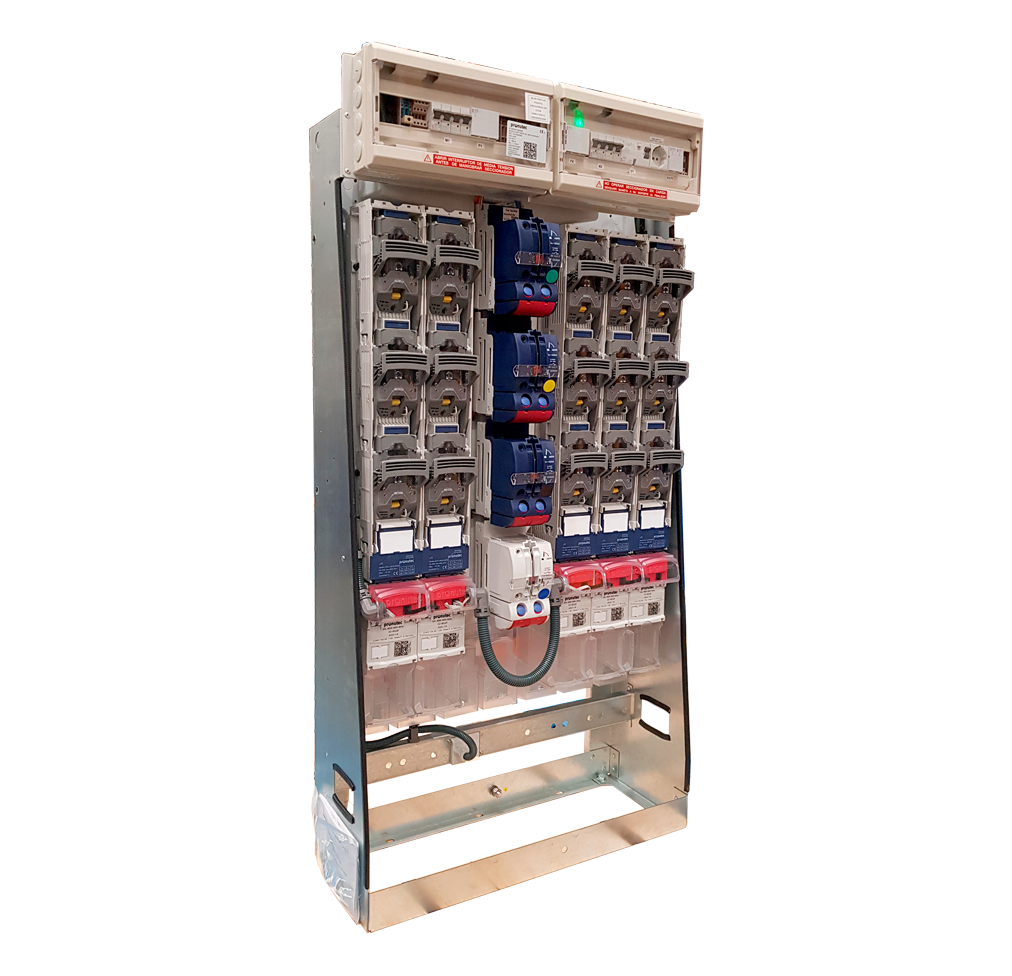
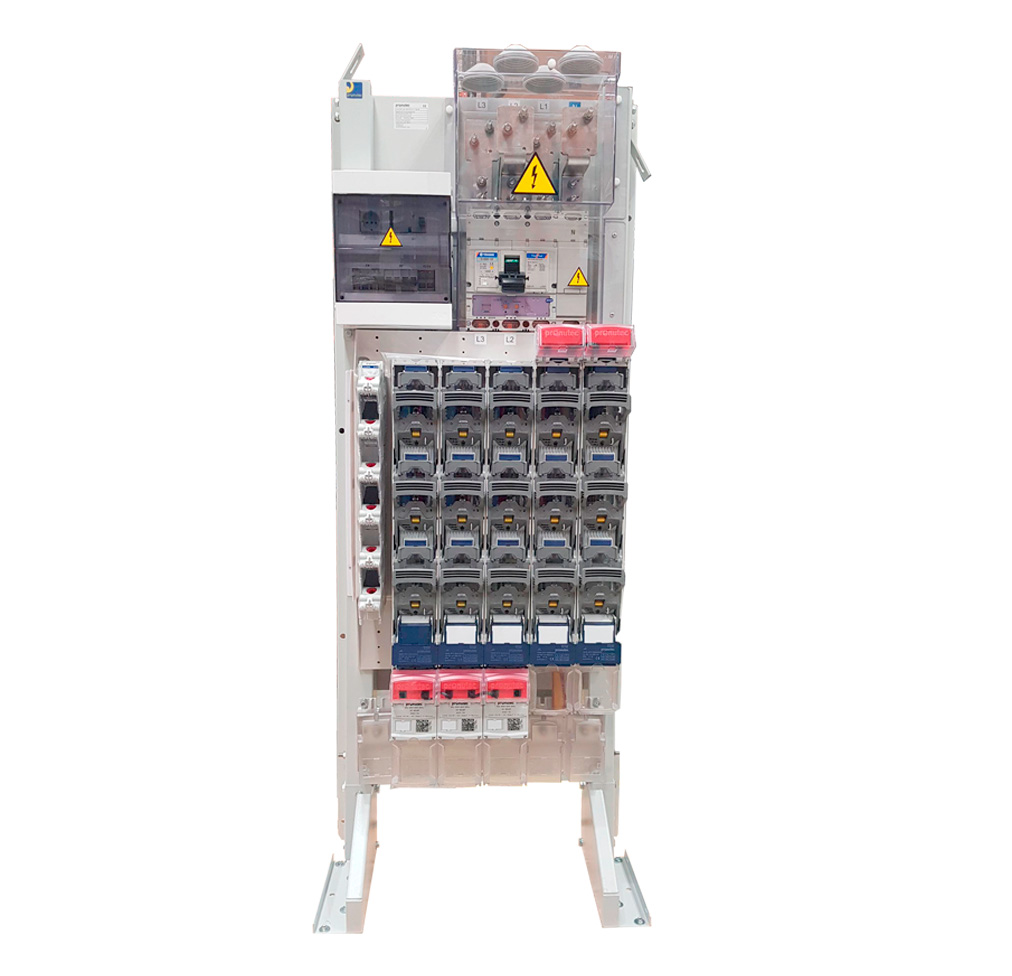
| Open frame with base support | Floor-mounted installation |
| Open frame with insulated busbar protection | Protection against accidental contact |
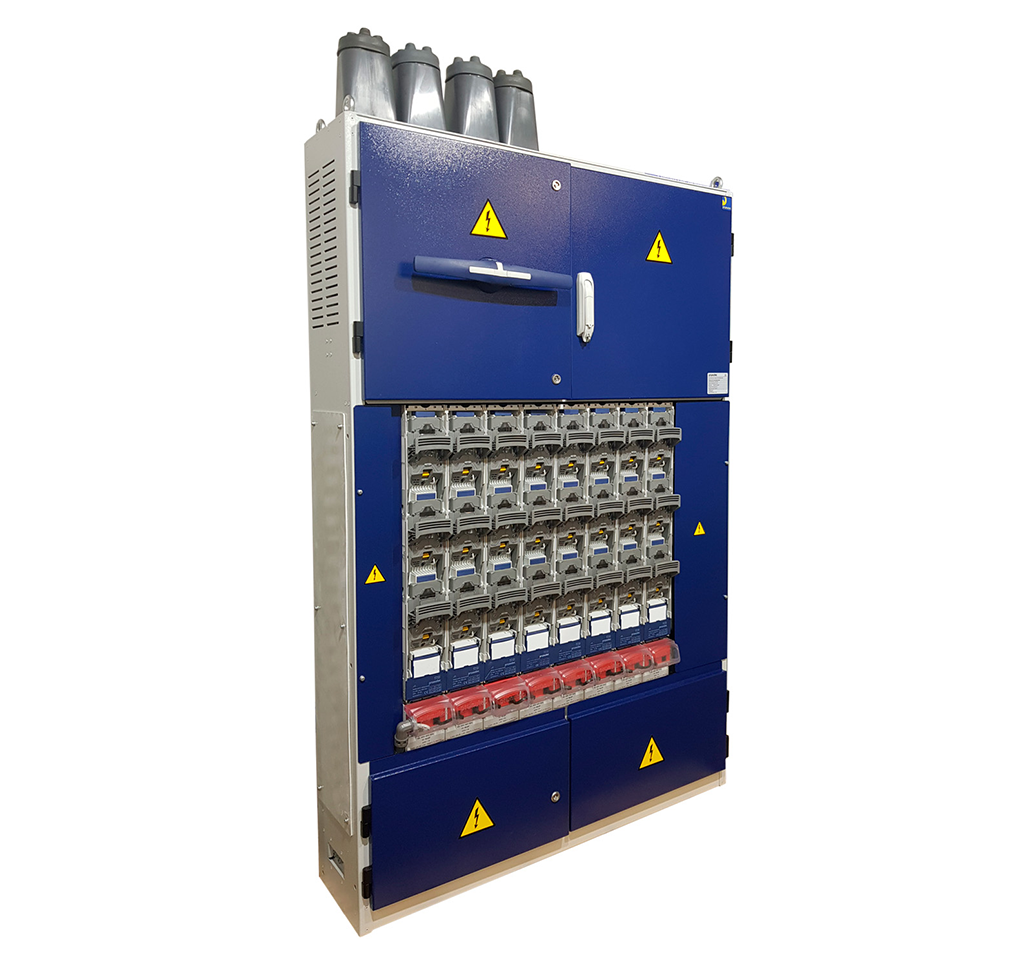
| Metal enclosure (floor-mounted) | Indoor applications |
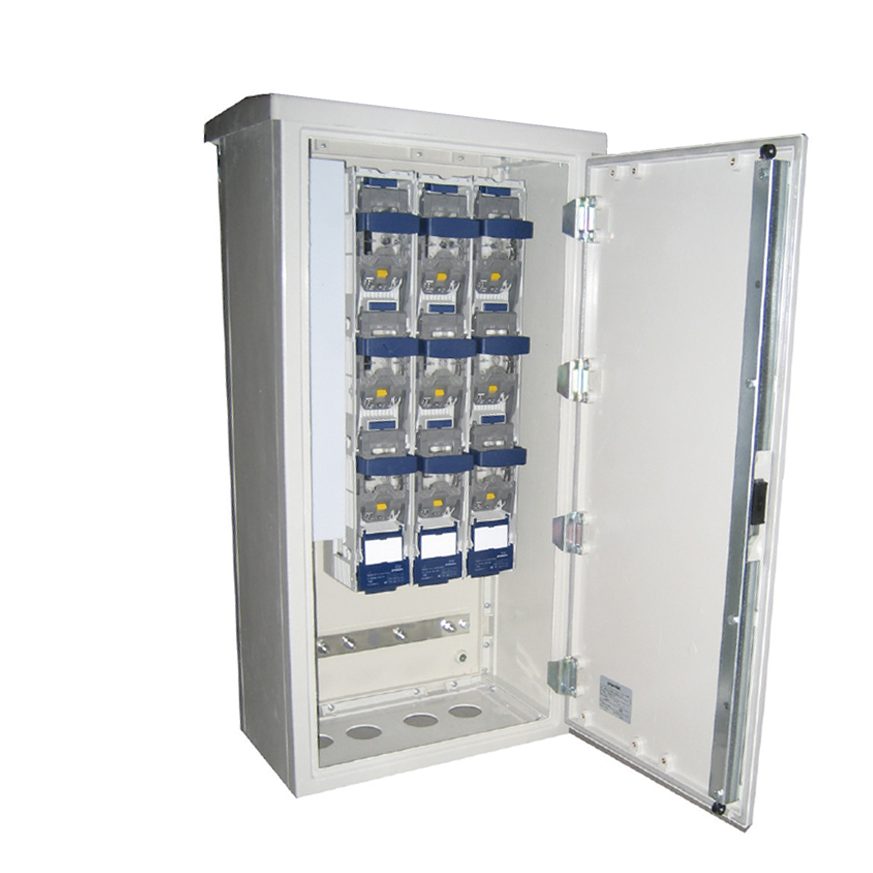
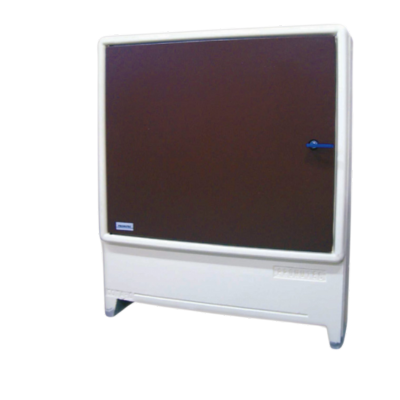
| Insulated enclosure (floor-mounted) | Outdoor applications |
| Insulated enclosure with pole mounting accesory | Pole installation |
| Special solutions | Adaptation to specific requirements |
Esther Plasencia
Head of H&D at Pronutec

Related News
The heart of a low-voltage distribution panel: the incoming section
If a low-voltage distribution panel were a human body, the incoming supply would be its...
The Circulatory System of a Low-Voltage Distribution Panel: The Busbar System
If in a low-voltage distribution panel the incoming section is the heart, the busbar system...
The Skeleton of a Low-Voltage Distribution Panel: The Mechanical Structure
If a low-voltage distribution panel were a human body, its mechanical structure would be the...


 Gorlan


Pronutec, a  company